VeriCtoryGLOBAL SUSTAINABILITY REGISTRYSubmit a record ↗

VERICTORY PRESENTS

The Sustainability Review

Daily, source-linked reporting on the developments shaping a sustainable world.

ISSUE 050 · 7 November 2026

Three new routes from sustainability ambition to business action.

A €100 million credit line could help Hungarian companies cut energy costs, a tourism partnership takes aim at plastic waste, and Amazon is inviting climate-tech suppliers into a wider commercial evaluation. The money is agreed; the partnership is exploratory; the accelerator has not yet opened applications.

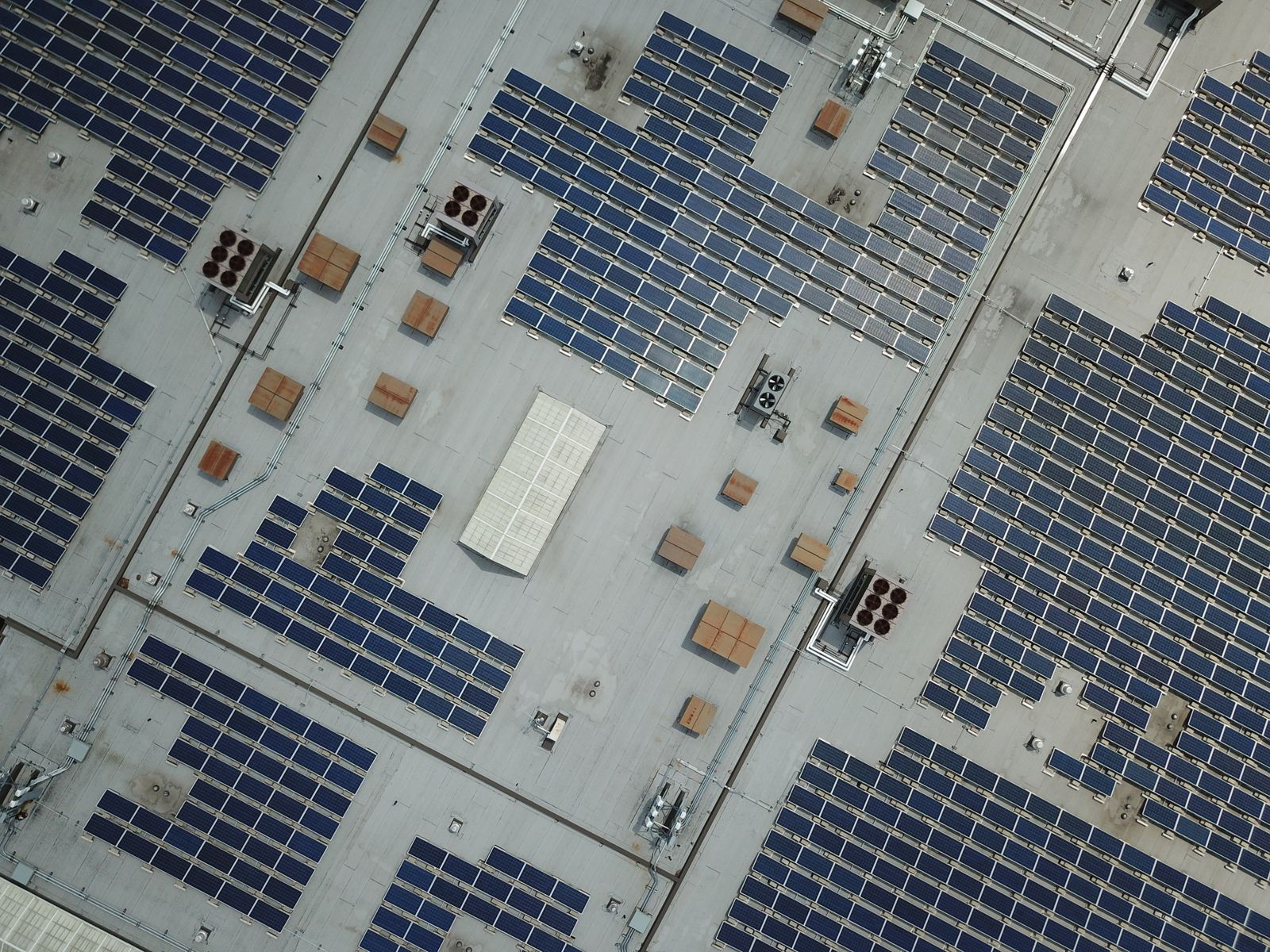
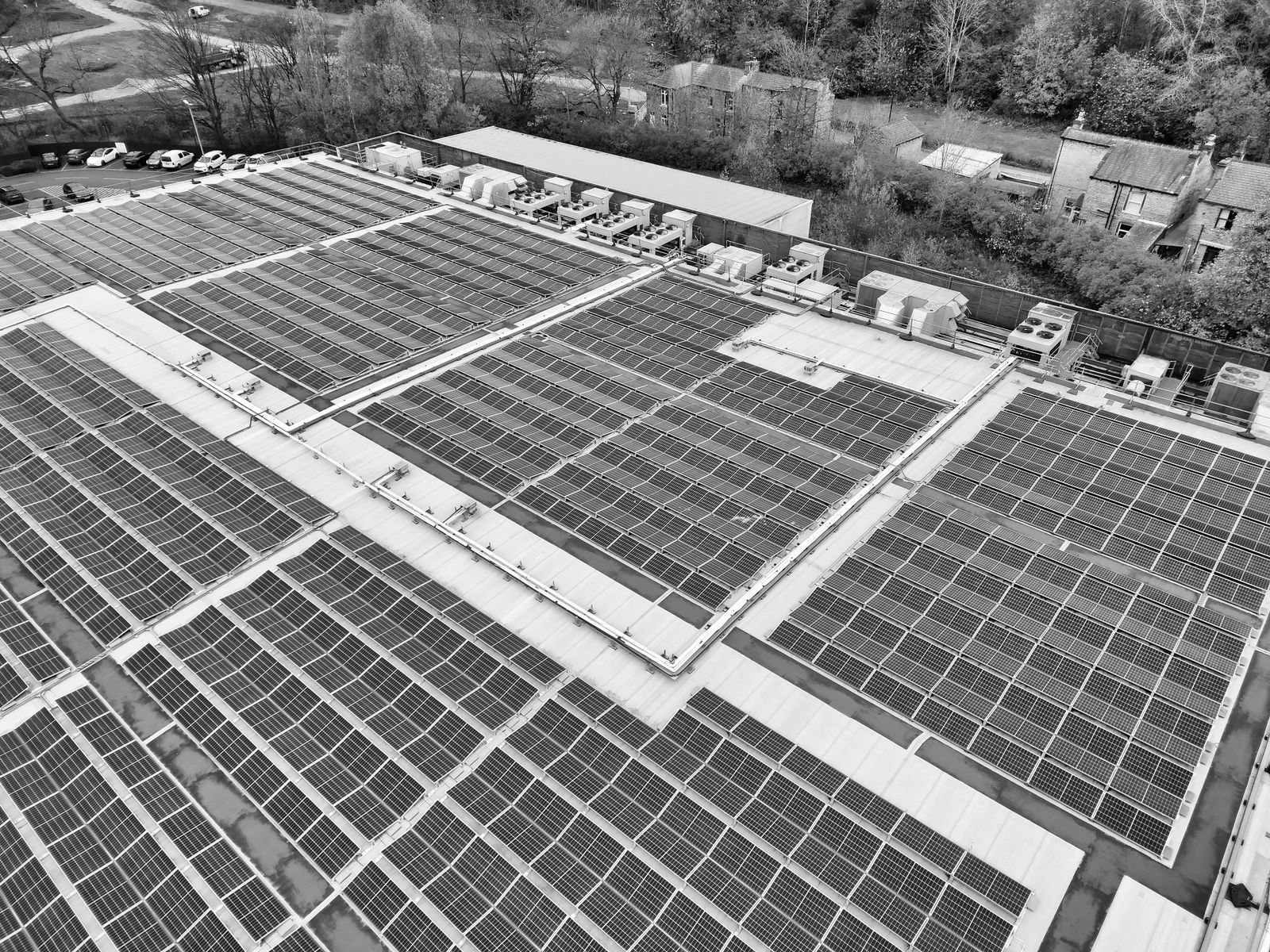
Real stock photograph by Altaf Shah showing solar panels on an industrial roof in Bradford, United Kingdom. Illustrative context; not a Hungarian project or Eximbank borrower.

Illustrative industrial-rooftop solar photo, Bradford, UK: Altaf Shah / Pexels (free-use licence). Not an Eximbank-funded site. Photo source ↗ · Licence ↗

01Business finance & clean energy

€100 million for greener Hungarian businesses—but which projects will qualify?

The European Investment Bank has agreed €100 million of financing with Eximbank Hungary for eligible green investments by businesses. The range includes rooftop solar, energy-efficiency improvements in factories and commercial buildings, and electric vehicles with supporting infrastructure. The commercial proposition is straightforward: companies facing volatile energy costs may be able to finance equipment that uses less fuel or electricity over its life. This is a financing channel, not an announcement that €100 million has already been disbursed or that a particular factory has cut emissions. Eximbank will still need to select eligible borrowers and projects. For applicants, the useful questions are the loan terms, the baseline energy bill, expected savings, installation risk and measurement after commissioning. For the public, the test is how much money reaches real upgrades and whether they deliver verifiable energy and emissions reductions. The accompanying photograph shows an industrial solar roof in Bradford, United Kingdom; it is illustrative and does not depict a Hungarian borrower.

4 min read · 6 November 2026 · European Investment Bank (signed financing announcement)Read the original source ↗
Real stock photograph by Ron Lach of volunteers collecting litter on an unidentified beach. Illustrative tourism-and-waste context; the people and location are not part of the GSTC–Ocean Cleanup partnership announcement.

Illustrative beach-cleanup photo: Ron Lach / Pexels (free-use licence). Not a GSTC or Ocean Cleanup partnership activity. Photo source ↗ · Licence ↗

02Tourism & plastic waste

Can cleaner coastlines become a practical tourism standard?

The Global Sustainable Tourism Council and The Ocean Cleanup signed a memorandum of understanding on 6 November to promote responsible plastic and waste management across tourism. The Ocean Cleanup will join GSTC, and the organisations plan to explore webinars, workshops, training and other ways to share expertise with destinations, hotels and operators. The business stakes are real: littered beaches can damage visitor experience, local ecosystems and the livelihoods tied to them. But the announcement is a framework for cooperation, not a cleanup contract, new certification requirement, named destination project or measured reduction in plastic. Its value will depend on whether tourism businesses move beyond awareness to procurement changes, waste collection, prevention and transparent local reporting. A useful follow-up would count participating destinations, quantify waste prevented or recovered, and show how communities are involved and paid. The photograph shows volunteers cleaning an unidentified beach; they are not presented as staff or participants in this new partnership.

4 min read · 6 November 2026Read the original source ↗
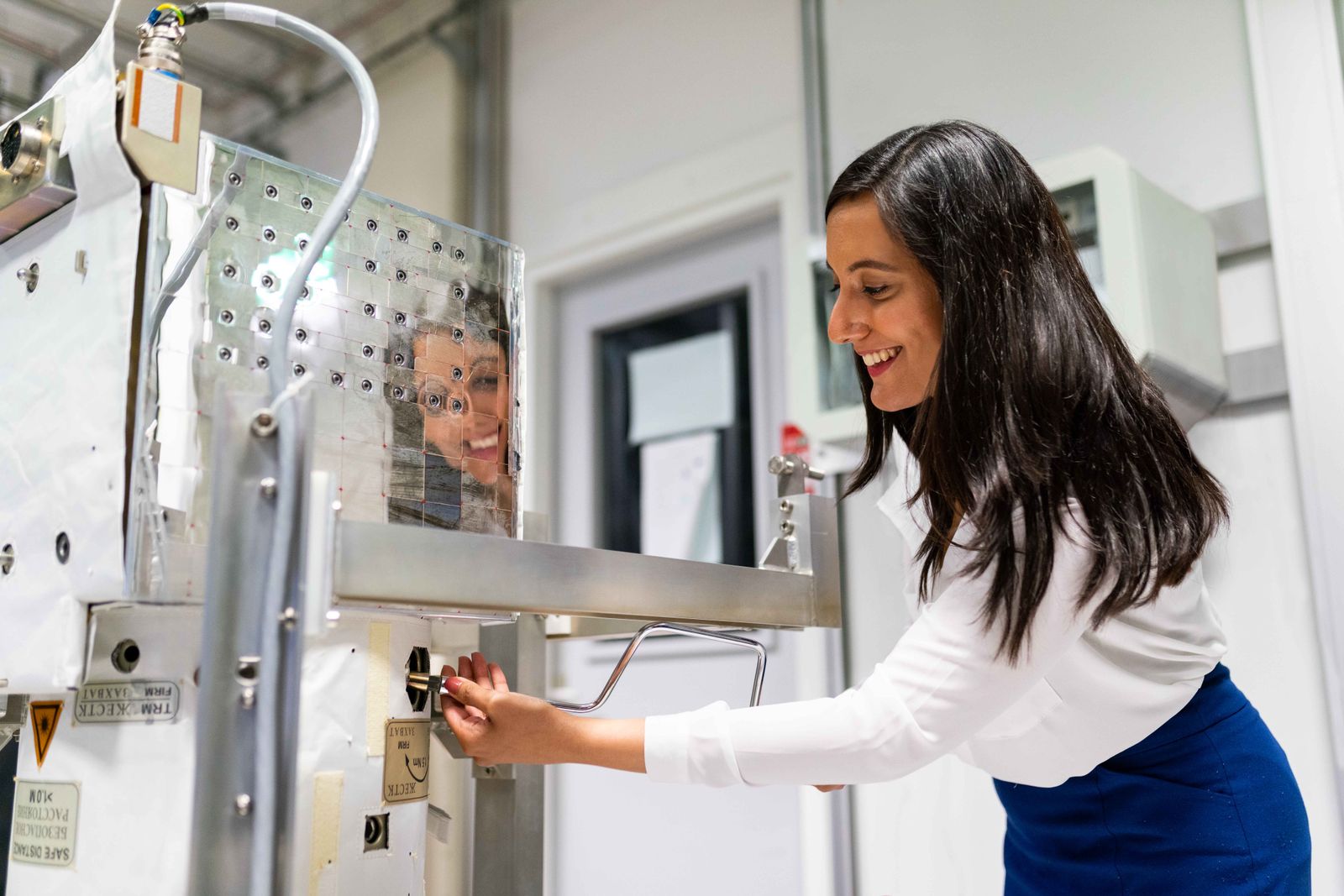
Real stock photograph by ThisIsEngineering of a female engineer using equipment in a laboratory. Illustrative clean-technology research context; not an Amazon accelerator applicant or selected technology.

Illustrative engineering-lab photo: ThisIsEngineering / Pexels (free-use licence). Not an Amazon accelerator participant. Photo source ↗ · Licence ↗

03Climate technology & supply chains

Amazon is widening the door for climate-tech suppliers. Orders are not guaranteed.

Amazon has announced a Sustainability Deep Tech Accelerator that will let selected companies pitch and test technologies across its Devices, AWS and Private Brands businesses. The stated priorities are lower-carbon materials and manufacturing for products such as batteries, displays and packaging; better power and thermal efficiency; and recovery or reuse of critical components in cloud hardware. This broadens a previous Devices-only evaluation model, through which Amazon says 28 companies passed through two cohorts. The programme may give startups a more direct route to several large potential customers, but admission is not a purchase order, investment commitment or proof of emissions savings. Amazon says it will not require an equity stake simply for participation. Applications are scheduled to open in January 2027; interested companies can join a notification list now. The evidence to watch is which technologies are actually integrated into products or facilities, whether suppliers receive commercial contracts, and what measured lifecycle impact follows. The laboratory photograph is illustrative and does not show an Amazon participant or a technology under review.

4 min read · 3 November 2026Read the original source ↗

ISSUE ARCHIVE

Every edition, kept searchable and source-linked.

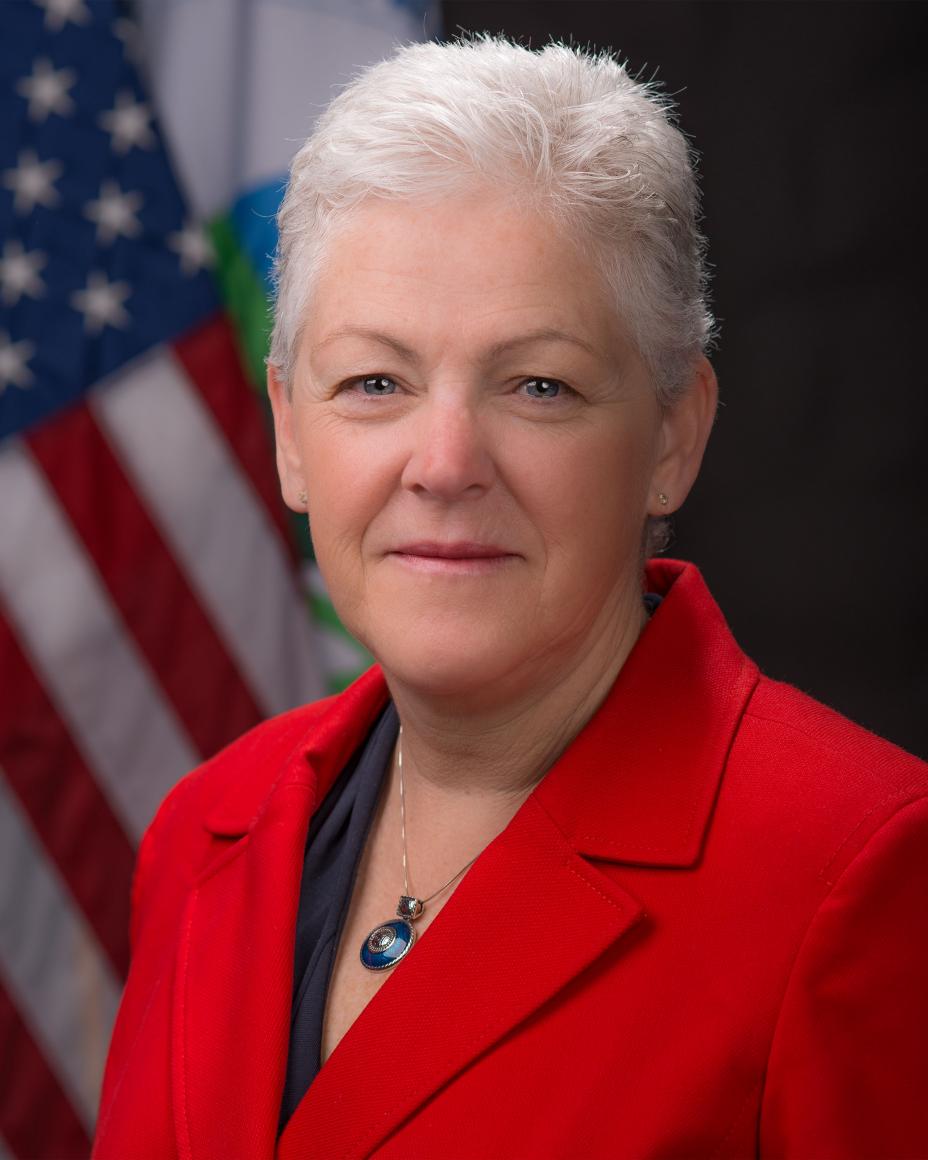
Official portrait of Gina McCarthy from her earlier tenure at the U.S. Environmental Protection Agency. Public-domain EPA image; not taken at COP31.

Gina McCarthy official portrait: U.S. Environmental Protection Agency / Wikimedia Commons (public domain). Historical portrait, not a COP31 photograph. Photo source ↗ · Licence ↗

ISSUE 055 · 13 November 2026

Women are turning climate leadership into practical decisions.

At COP31 today, women leading U.S. state and city climate work will put local delivery on the international stage. In India, an award-winning food-waste entrepreneur is helping shape support for solutions, while Canada backs nine women building businesses in materials, energy and resource recovery. The value of each effort rests on what gets financed, built and measured next.

Read this edition →
  1. At COP31, women leading U.S. climate action put delivery on the agenda.U.S. Climate Alliance (COP31 programme and delegation announcement)
  2. A food-waste founder brings a working business model to India's climate table.The Earthshot Prize (India Advisory Council announcement)
  3. Nine Canadian women founders take the next step towards clean-tech customers.MaRS Discovery District (2026–2028 cohort announcement)
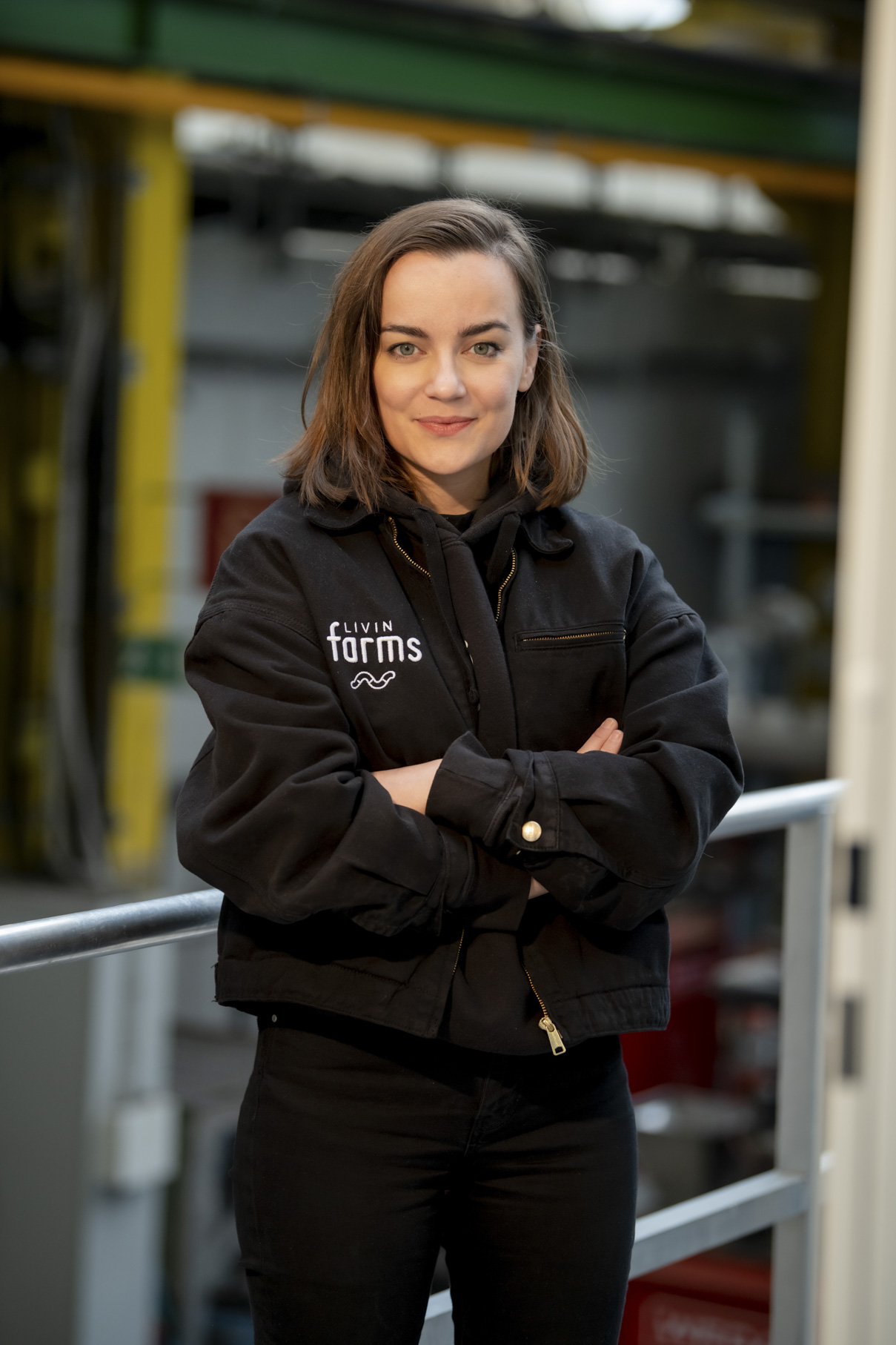
Katharina Unger, founder and CEO of LIVIN farms, standing at a company facility. Photograph by Paris Tsitsos for LIVIN farms, supplied in the company’s official press kit.

Katharina Unger at LIVIN farms: © Paris Tsitsos for LIVIN farms. Supplied in the company’s official press kit for editorial use. Photo source ↗

ISSUE 054 · 12 November 2026

Three women turning sustainability into working businesses.

An Austrian founder has been recognised for scaling insect-based protein from organic by-products. A Dutch farmer is storing rainwater underground for dry months, while a Nigerian processor is testing whether direct sourcing can improve a cassava business and farmers' livelihoods. Awards highlight the people; operational evidence shows what can scale.

Read this edition →
  1. From food by-products to protein: an Austrian founder wins the technology award.DLG (2026 Women in Ag Award winners)
  2. A Dutch farmer stores winter rain underground for the dry season.DLG (2026 Women in Ag Award winners)
  3. A Nigerian cassava processor wins recognition—and faces the harder test of scale.DLG (2026 Women in Ag Award winners)
Two models on an indoor runway in a real photograph by cottonbro studio. Illustrative fashion-stage scene from an unrelated, unidentified show; not Glitz Africa Fashion Week in Accra.

Illustrative runway photo: cottonbro studio / Pexels (free-use licence). Not Glitz Africa Fashion Week or its designers. Photo source ↗ · Licence ↗

ISSUE 053 · 11 November 2026

Sustainable fashion steps onto the runway—and into the buying decision.

Accra's fashion week puts sustainable design in the spotlight this week. Meanwhile, Zalando has put two experimental fibre blends into a small retail pilot, and a global programme has opened a route for early-stage fashion innovators. The real test is what gets made, sold and measured after the show.

Read this edition →
  1. Accra puts sustainable design under the runway lights this week.Glitz Africa Fashion Week (official programme)
  2. Zalando's new fashion pilot puts next-generation fibres on sale.Zalando (Fiber Club launch)
  3. A new global search for fashion innovators asks which ideas can scale.Global Fashion Agenda (Trailblazer Programme)
Real aerial photograph by Giant Asparagus showing solar panels on an unidentified industrial roof. Illustrative manufacturing-energy context; not a Refresco site or its new installation.

Illustrative industrial-rooftop photo: Giant Asparagus / Pexels (free-use licence). Not a Refresco facility. Photo source ↗ · Licence ↗

ISSUE 052 · 9 November 2026

The next sustainability assets may already be on the balance sheet.

A drinks producer is putting solar power on four factory roofs. A Japanese startup is testing whether wet sewage sludge can generate electricity. A UK investment report asks what it would take to make healthier landscapes bankable. Construction, a pilot and a policy pathway are three different stages—not three proven climate outcomes.

Read this edition →
  1. A drinks maker is turning its factory roofs into a 21.5 MW solar portfolio.GB NRG (Refresco solar-programme announcement)
  2. Can wet sewage sludge become electricity without first being dried?Rhinoflux (pilot announcement; Japanese)
  3. The UK wants nature projects to look less like grants—and more like investable assets.UK Office for Investment (independent natural-capital investment report)
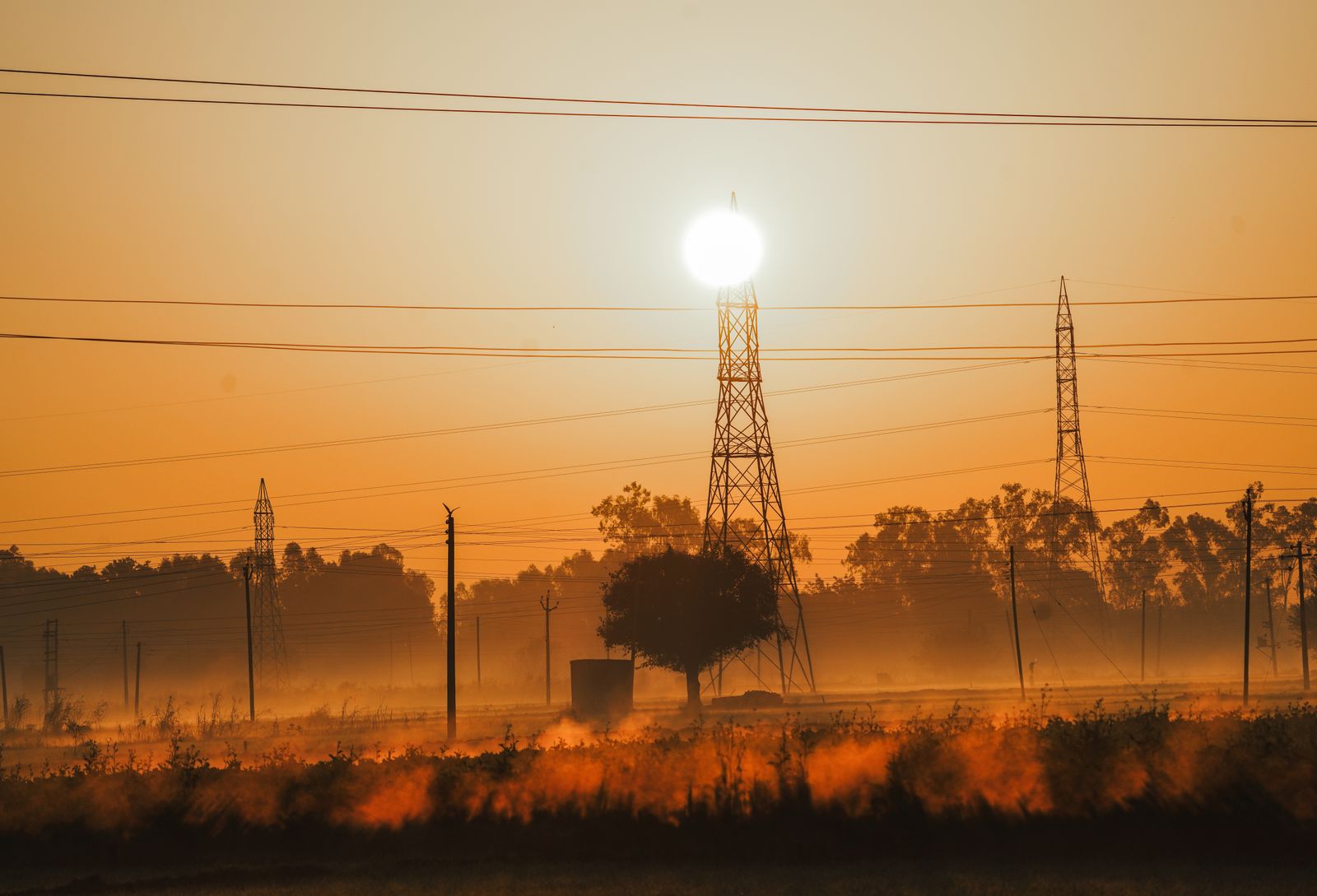
Real photograph by Pranav Jassi of transmission towers at sunset in Ludhiana, Punjab, India. Illustrative Indian-grid scene; not the planned Barmer–South Kalamb HVDC corridor.

Illustrative Indian-grid photo, Ludhiana: Pranav Jassi / Pexels (free-use licence). Not the announced HVDC route. Photo source ↗ · Licence ↗

ISSUE 051 · 8 November 2026

The clean-power bottleneck is moving from panels to the grid.

India has ordered a 6 GW transmission link to connect its renewable-rich west with demand farther away. In Spain, three solar-linked batteries have entered construction. In France, a completed ownership deal could reshape who collects packaging fees and plastic feedstock. None is a measured emissions result yet.

Read this edition →
  1. India orders a 6 GW power highway from its renewable-rich west.GE Vernova (project-order announcement)
  2. Spain starts building batteries that can support the grid—not just store solar power.Masdar (construction announcement)
  3. A completed French packaging deal puts recycling fees and plastic supply in one frame.Agilyx (completed GreenDot–Valorie transaction release)
Real stock photograph by Altaf Shah showing solar panels on an industrial roof in Bradford, United Kingdom. Illustrative context; not a Hungarian project or Eximbank borrower.

Illustrative industrial-rooftop solar photo, Bradford, UK: Altaf Shah / Pexels (free-use licence). Not an Eximbank-funded site. Photo source ↗ · Licence ↗

ISSUE 050 · 7 November 2026

Three new routes from sustainability ambition to business action.

A €100 million credit line could help Hungarian companies cut energy costs, a tourism partnership takes aim at plastic waste, and Amazon is inviting climate-tech suppliers into a wider commercial evaluation. The money is agreed; the partnership is exploratory; the accelerator has not yet opened applications.

Read this edition →
  1. €100 million for greener Hungarian businesses—but which projects will qualify?European Investment Bank (signed financing announcement)
  2. Can cleaner coastlines become a practical tourism standard?The Ocean Cleanup and Global Sustainable Tourism Council (joint MOU announcement)
  3. Amazon is widening the door for climate-tech suppliers. Orders are not guaranteed.Amazon Press Center (programme announcement)

THE DAILY REVIEW

Read the world’s sustainability signals without losing the source trail.

Subscribe to future editions →