VeriCtoryGLOBAL SUSTAINABILITY REGISTRYSubmit a record ↗

VERICTORY PRESENTS

The Sustainability Review

Daily, source-linked reporting on the developments shaping a sustainable world.

ISSUE 052 · 9 November 2026

The next sustainability assets may already be on the balance sheet.

A drinks producer is putting solar power on four factory roofs. A Japanese startup is testing whether wet sewage sludge can generate electricity. A UK investment report asks what it would take to make healthier landscapes bankable. Construction, a pilot and a policy pathway are three different stages—not three proven climate outcomes.

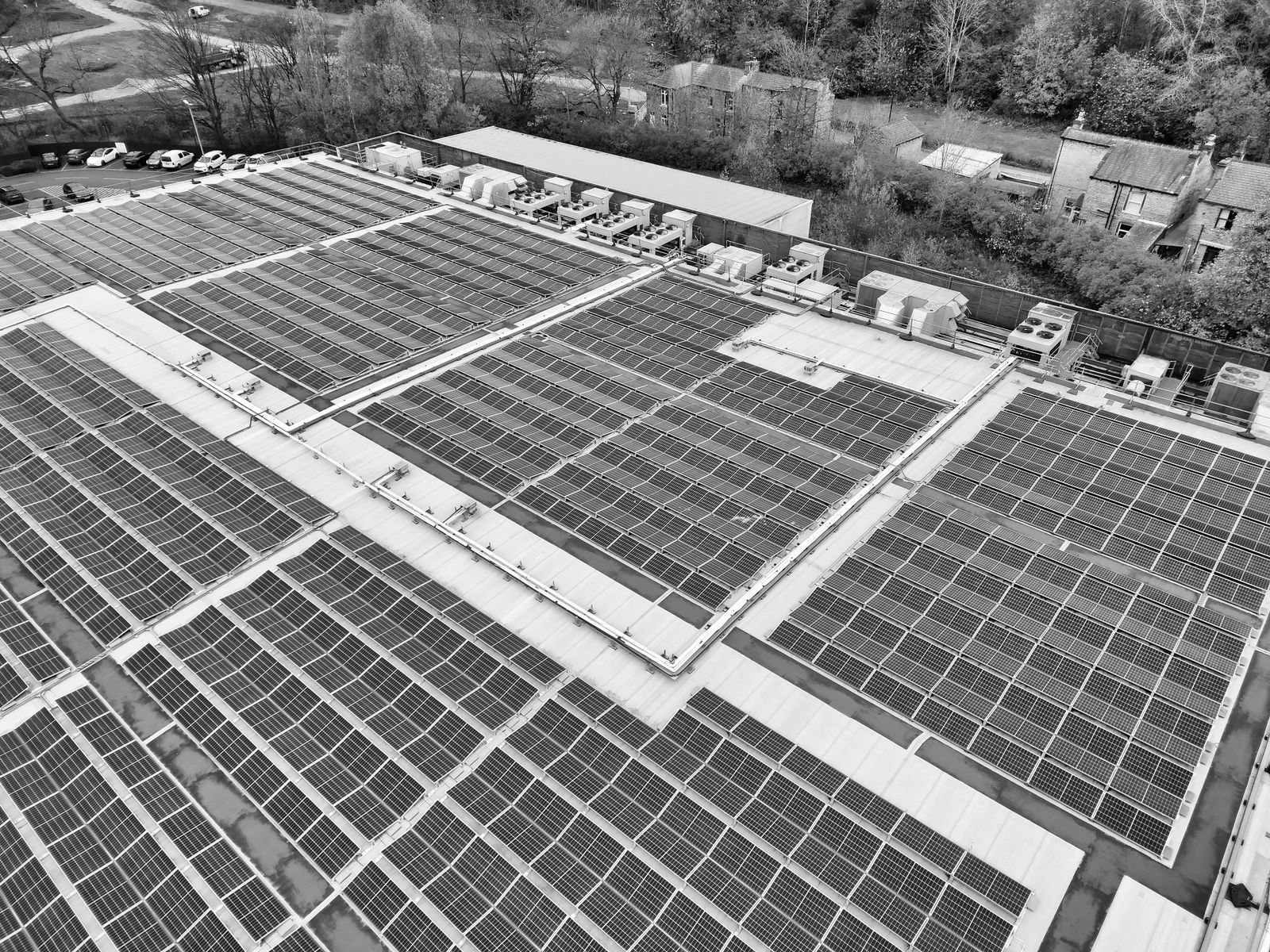
Real aerial photograph by Giant Asparagus showing solar panels on an unidentified industrial roof. Illustrative manufacturing-energy context; not a Refresco site or its new installation.

Illustrative industrial-rooftop photo: Giant Asparagus / Pexels (free-use licence). Not a Refresco facility. Photo source ↗ · Licence ↗

01Industry & clean power

A drinks maker is turning its factory roofs into a 21.5 MW solar portfolio.

Refresco has begun a 21.5 MWp rooftop-solar programme across four UK drinks-manufacturing sites. At Bridgwater, the planned 8.5 MWp system would use more than 18,000 modules and, according to delivery partner GB NRG, generate around 7.5 GWh a year—roughly 17% of that site's annual electricity demand. Installation at Bridgwater is underway, but those generation figures are forecasts, not metered output. Zestec will finance and manage the equipment through long-term power-purchase agreements backed by Octopus Energy Generation-managed funds. This model matters for manufacturers because it could add on-site electricity without requiring them to own every panel, while making the power price more predictable. The difficult part is construction on a factory operating around the clock: roof integrity, safety, production continuity and actual solar yield will decide whether the commercial case holds. GB NRG describes the Bridgwater array as potentially the UK's largest on a single continuous roof; that comparison remains a forward-looking company claim. The photograph shows an unidentified industrial rooftop, not Refresco's project.
4 min read · Early November 2026 · GB NRG (Refresco solar-programme announcement)Read the original source ↗
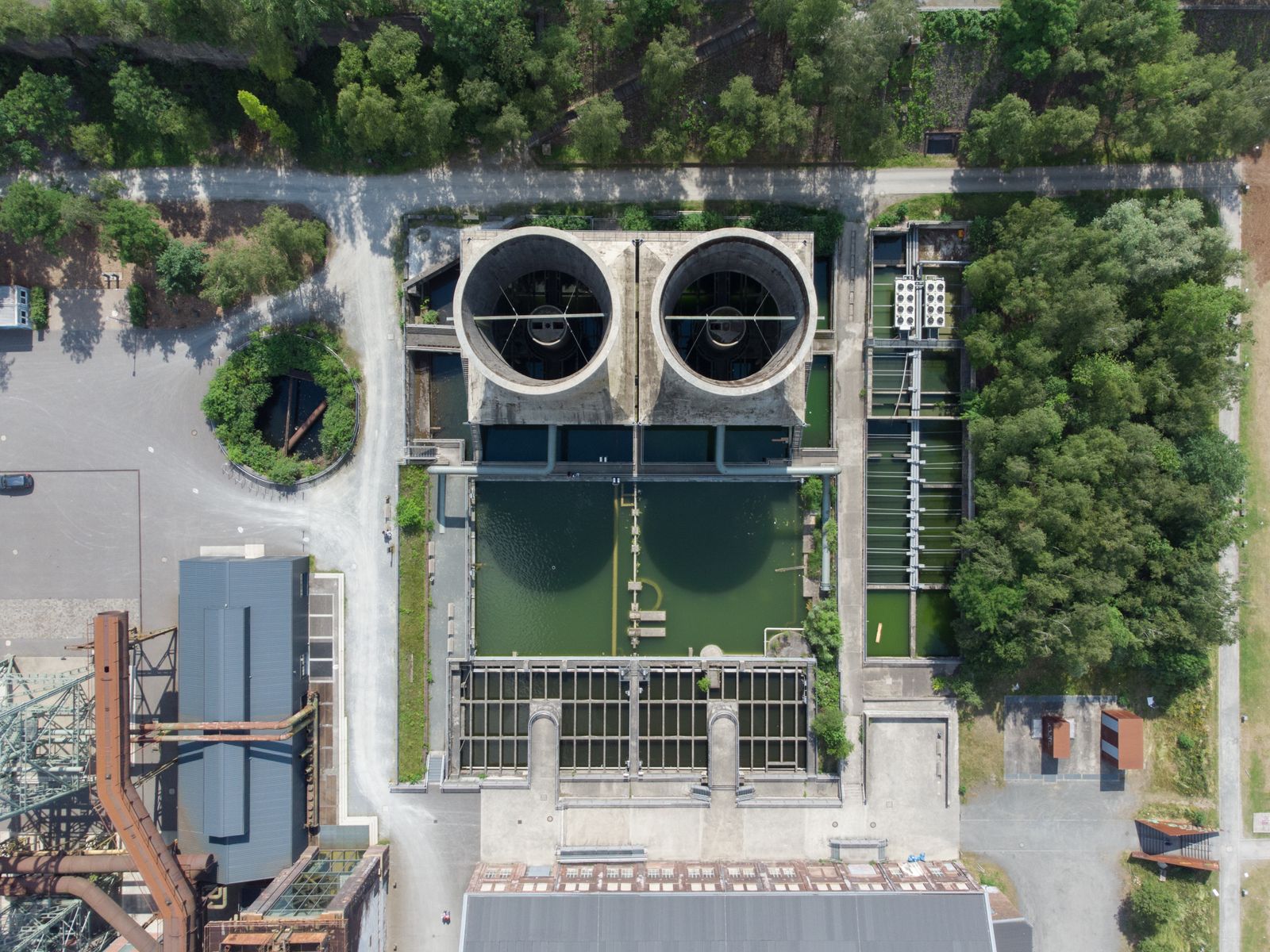
Real aerial photograph by Jakob Schlothane of a wastewater treatment plant in Bochum, Germany. Illustrative plant context; not Rhinoflux's unnamed pilot site in Japan.

Illustrative wastewater-plant photo, Bochum, Germany: Jakob Schlothane / Pexels (free-use licence). Not the Japanese pilot site. Photo source ↗ · Licence ↗

02Wastewater & industrial innovation

Can wet sewage sludge become electricity without first being dried?

Kyoto-based Rhinoflux says it has been selected for a Tokyo-backed resource and energy resilience programme and will begin an 18-month on-site pilot at a large Japanese wastewater treatment plant in November. Its wet chemical-looping process is intended to turn sewage sludge into electricity while separating concentrated CO₂. The company plans 100 cumulative operating days—2,400 hours—to test several sludge types, power output, carbon capture, impurity control, safety and integration with existing treatment equipment. That is a serious test programme, not evidence of a commercially operating power station. Rhinoflux claims its process could achieve 99.9% or higher CO₂ purity and far higher conversion efficiency than conventional biomass routes; those figures have not been independently demonstrated at this site. For utilities, the relevant business question is whether avoided sludge-disposal costs and purchased electricity outweigh equipment, maintenance and energy inputs. The pilot also needs a credible destination for captured CO₂; purity alone does not make emissions disappear. The accompanying photograph shows a wastewater plant in Bochum, Germany, not the unnamed Japanese pilot site.

4 min read · 6 November 2026Read the original source ↗
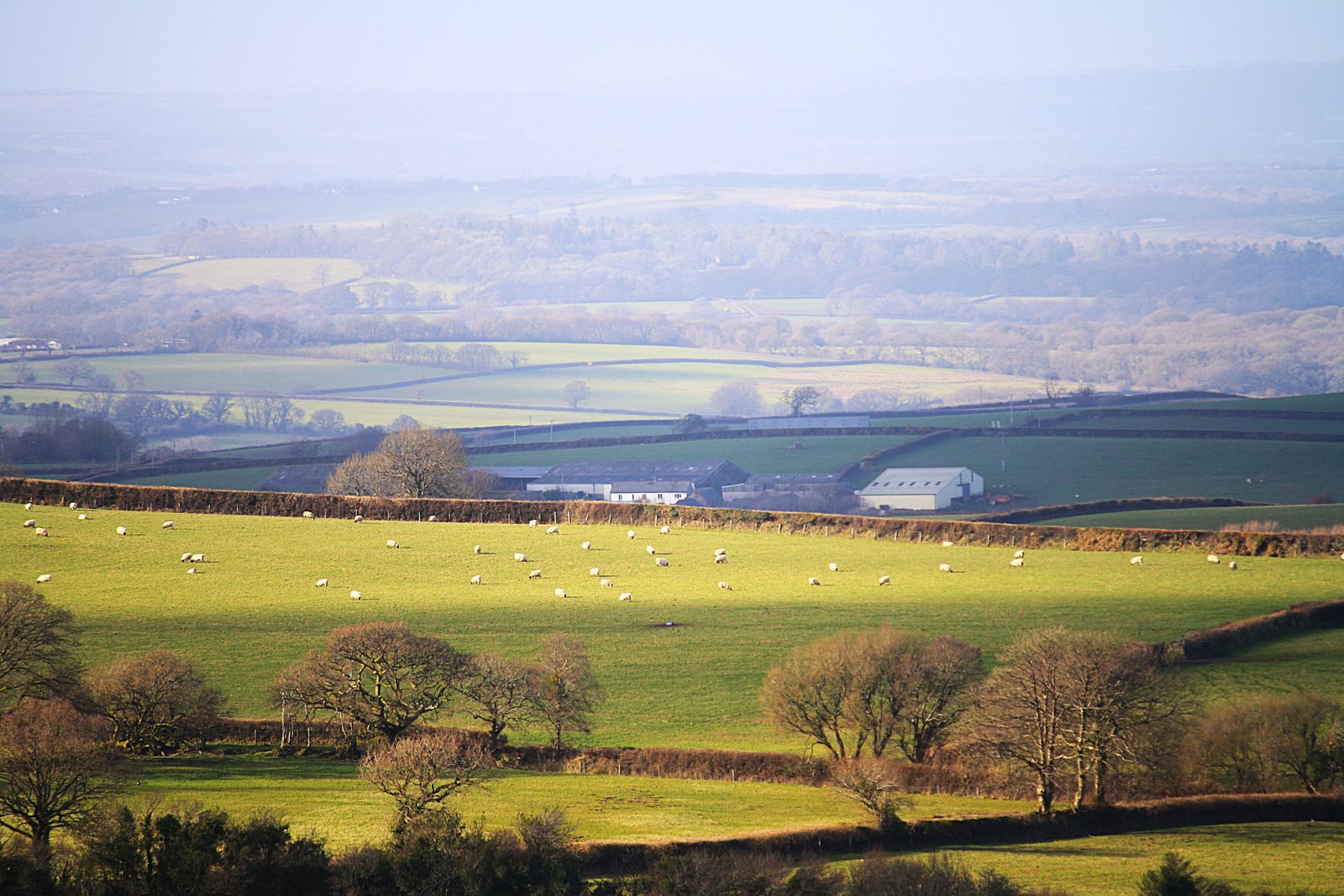
Real photograph by Lif 4Gd showing sheep grazing on green hills near Dartmoor, Devon, England. Illustrative UK land-use context; not a verified nature-finance project.

Illustrative Devon grazing-land photo: Lif 4Gd / Pexels (free-use licence). Not a project financed under this report. Photo source ↗ · Licence ↗

03Nature finance & business resilience

The UK wants nature projects to look less like grants—and more like investable assets.

A new report published through the UK's Office for Investment argues that the obstacle to large-scale nature finance is not simply a lack of interested capital. Restoration projects are often small, geographically scattered and hard to underwrite; buyer commitments can be short, monitoring expensive and the rights to different environmental benefits unclear. The report identifies England's biodiversity-net-gain habitat banks as one of the clearest near-term markets, while catchment resilience and regenerative farming linked to supply contracts may need stronger anchor buyers and common measurement rules. For a water company, a restored catchment could mean lower treatment or flood costs; for a food buyer, healthier soil could make a supply chain more resilient. But those benefits need contracts and evidence before investors can price them. The report proposes regional aggregation, clearer standards and public-private coordination. It does not announce a new national fund, guarantee returns or prove that a pictured landscape has been restored. The photograph shows grazing land in Devon, not a financed project from the report.

4 min read · 6 November 2026Read the original source ↗

ISSUE ARCHIVE

Every edition, kept searchable and source-linked.

Official portrait of Gina McCarthy from her earlier tenure at the U.S. Environmental Protection Agency. Public-domain EPA image; not taken at COP31.

Gina McCarthy official portrait: U.S. Environmental Protection Agency / Wikimedia Commons (public domain). Historical portrait, not a COP31 photograph. Photo source ↗ · Licence ↗

ISSUE 055 · 13 November 2026

Women are turning climate leadership into practical decisions.

At COP31 today, women leading U.S. state and city climate work will put local delivery on the international stage. In India, an award-winning food-waste entrepreneur is helping shape support for solutions, while Canada backs nine women building businesses in materials, energy and resource recovery. The value of each effort rests on what gets financed, built and measured next.

Read this edition →
  1. At COP31, women leading U.S. climate action put delivery on the agenda.U.S. Climate Alliance (COP31 programme and delegation announcement)
  2. A food-waste founder brings a working business model to India's climate table.The Earthshot Prize (India Advisory Council announcement)
  3. Nine Canadian women founders take the next step towards clean-tech customers.MaRS Discovery District (2026–2028 cohort announcement)
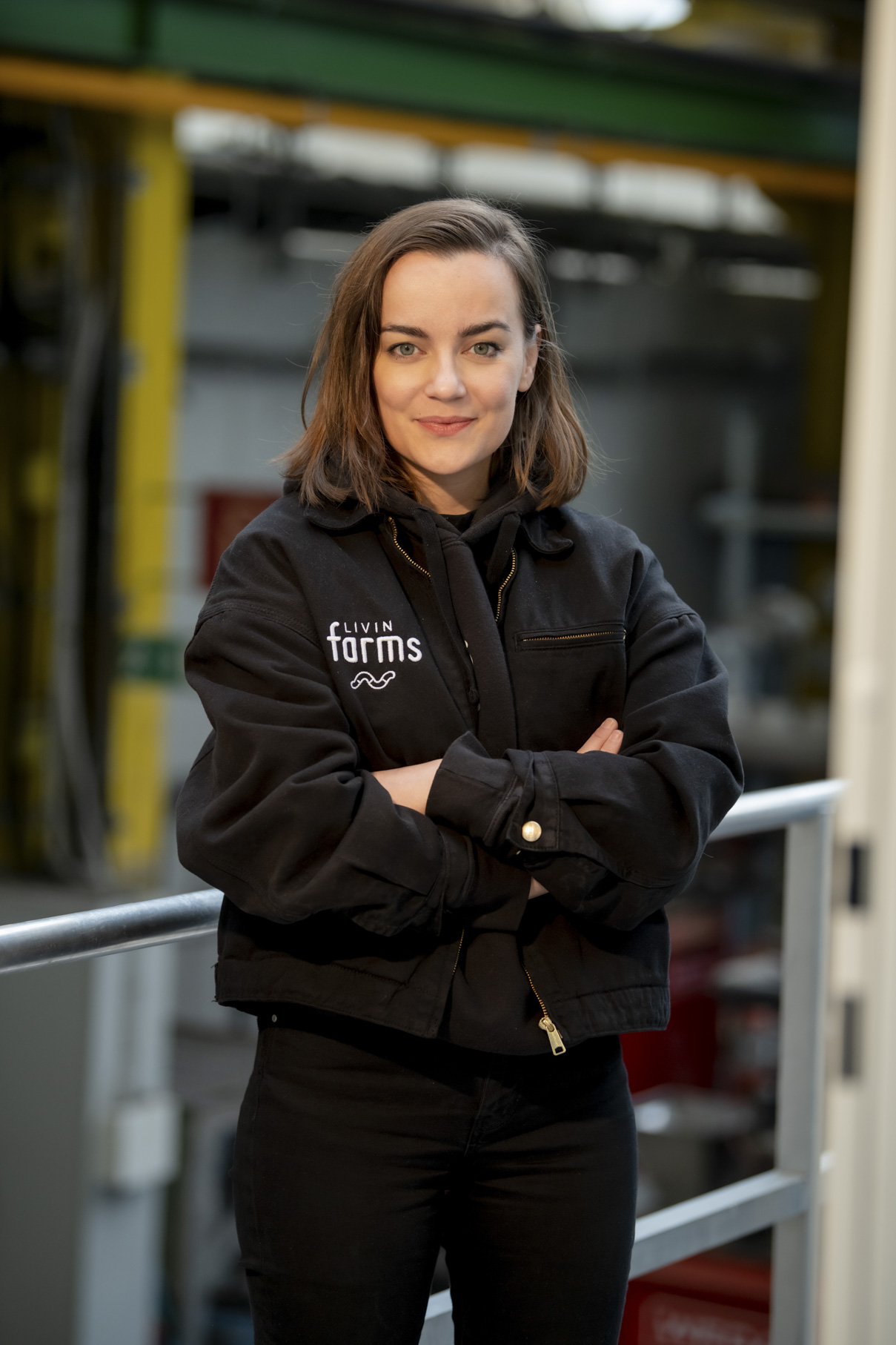
Katharina Unger, founder and CEO of LIVIN farms, standing at a company facility. Photograph by Paris Tsitsos for LIVIN farms, supplied in the company’s official press kit.

Katharina Unger at LIVIN farms: © Paris Tsitsos for LIVIN farms. Supplied in the company’s official press kit for editorial use. Photo source ↗

ISSUE 054 · 12 November 2026

Three women turning sustainability into working businesses.

An Austrian founder has been recognised for scaling insect-based protein from organic by-products. A Dutch farmer is storing rainwater underground for dry months, while a Nigerian processor is testing whether direct sourcing can improve a cassava business and farmers' livelihoods. Awards highlight the people; operational evidence shows what can scale.

Read this edition →
  1. From food by-products to protein: an Austrian founder wins the technology award.DLG (2026 Women in Ag Award winners)
  2. A Dutch farmer stores winter rain underground for the dry season.DLG (2026 Women in Ag Award winners)
  3. A Nigerian cassava processor wins recognition—and faces the harder test of scale.DLG (2026 Women in Ag Award winners)
Two models on an indoor runway in a real photograph by cottonbro studio. Illustrative fashion-stage scene from an unrelated, unidentified show; not Glitz Africa Fashion Week in Accra.

Illustrative runway photo: cottonbro studio / Pexels (free-use licence). Not Glitz Africa Fashion Week or its designers. Photo source ↗ · Licence ↗

ISSUE 053 · 11 November 2026

Sustainable fashion steps onto the runway—and into the buying decision.

Accra's fashion week puts sustainable design in the spotlight this week. Meanwhile, Zalando has put two experimental fibre blends into a small retail pilot, and a global programme has opened a route for early-stage fashion innovators. The real test is what gets made, sold and measured after the show.

Read this edition →
  1. Accra puts sustainable design under the runway lights this week.Glitz Africa Fashion Week (official programme)
  2. Zalando's new fashion pilot puts next-generation fibres on sale.Zalando (Fiber Club launch)
  3. A new global search for fashion innovators asks which ideas can scale.Global Fashion Agenda (Trailblazer Programme)
Real aerial photograph by Giant Asparagus showing solar panels on an unidentified industrial roof. Illustrative manufacturing-energy context; not a Refresco site or its new installation.

Illustrative industrial-rooftop photo: Giant Asparagus / Pexels (free-use licence). Not a Refresco facility. Photo source ↗ · Licence ↗

ISSUE 052 · 9 November 2026

The next sustainability assets may already be on the balance sheet.

A drinks producer is putting solar power on four factory roofs. A Japanese startup is testing whether wet sewage sludge can generate electricity. A UK investment report asks what it would take to make healthier landscapes bankable. Construction, a pilot and a policy pathway are three different stages—not three proven climate outcomes.

Read this edition →
  1. A drinks maker is turning its factory roofs into a 21.5 MW solar portfolio.GB NRG (Refresco solar-programme announcement)
  2. Can wet sewage sludge become electricity without first being dried?Rhinoflux (pilot announcement; Japanese)
  3. The UK wants nature projects to look less like grants—and more like investable assets.UK Office for Investment (independent natural-capital investment report)
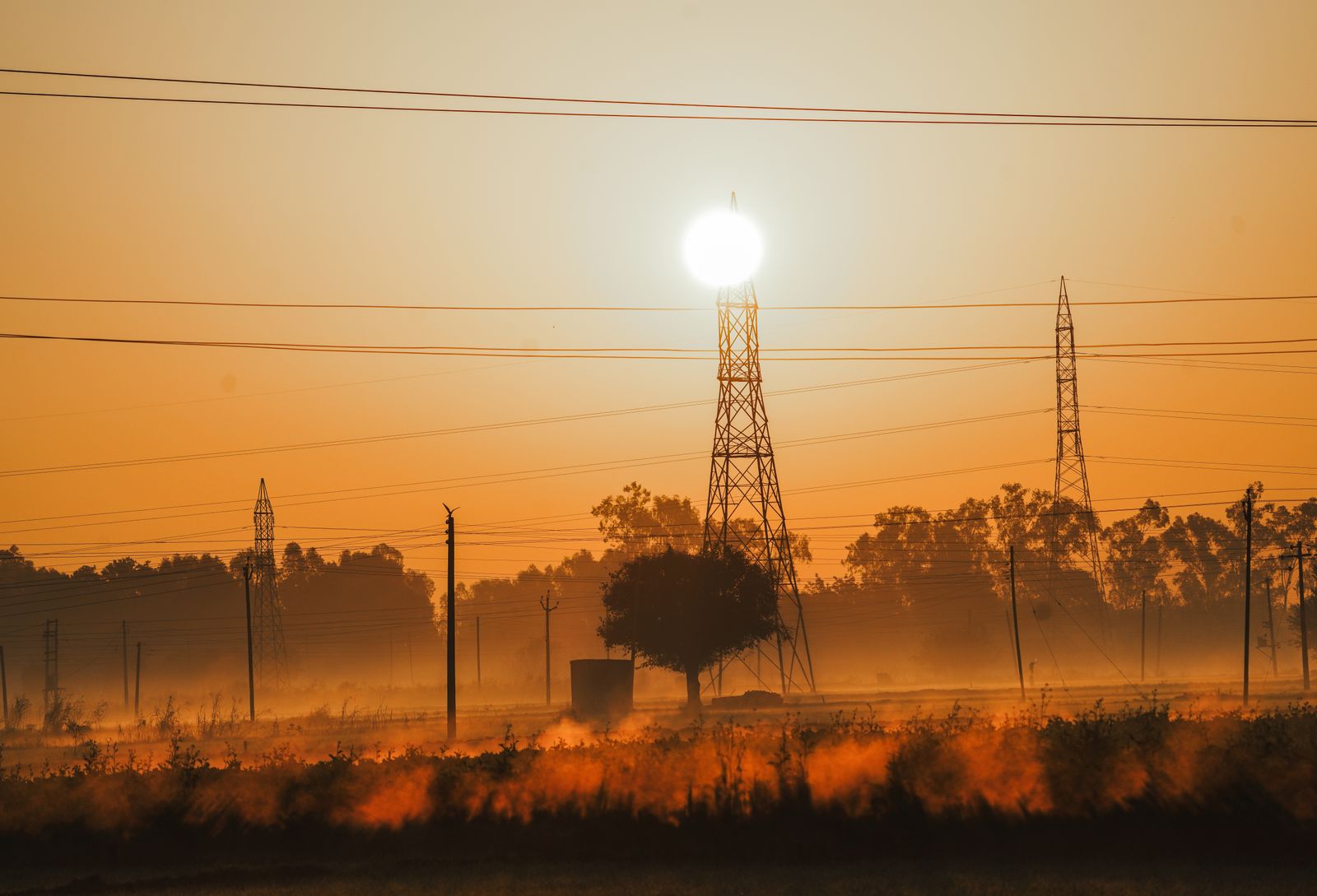
Real photograph by Pranav Jassi of transmission towers at sunset in Ludhiana, Punjab, India. Illustrative Indian-grid scene; not the planned Barmer–South Kalamb HVDC corridor.

Illustrative Indian-grid photo, Ludhiana: Pranav Jassi / Pexels (free-use licence). Not the announced HVDC route. Photo source ↗ · Licence ↗

ISSUE 051 · 8 November 2026

The clean-power bottleneck is moving from panels to the grid.

India has ordered a 6 GW transmission link to connect its renewable-rich west with demand farther away. In Spain, three solar-linked batteries have entered construction. In France, a completed ownership deal could reshape who collects packaging fees and plastic feedstock. None is a measured emissions result yet.

Read this edition →
  1. India orders a 6 GW power highway from its renewable-rich west.GE Vernova (project-order announcement)
  2. Spain starts building batteries that can support the grid—not just store solar power.Masdar (construction announcement)
  3. A completed French packaging deal puts recycling fees and plastic supply in one frame.Agilyx (completed GreenDot–Valorie transaction release)
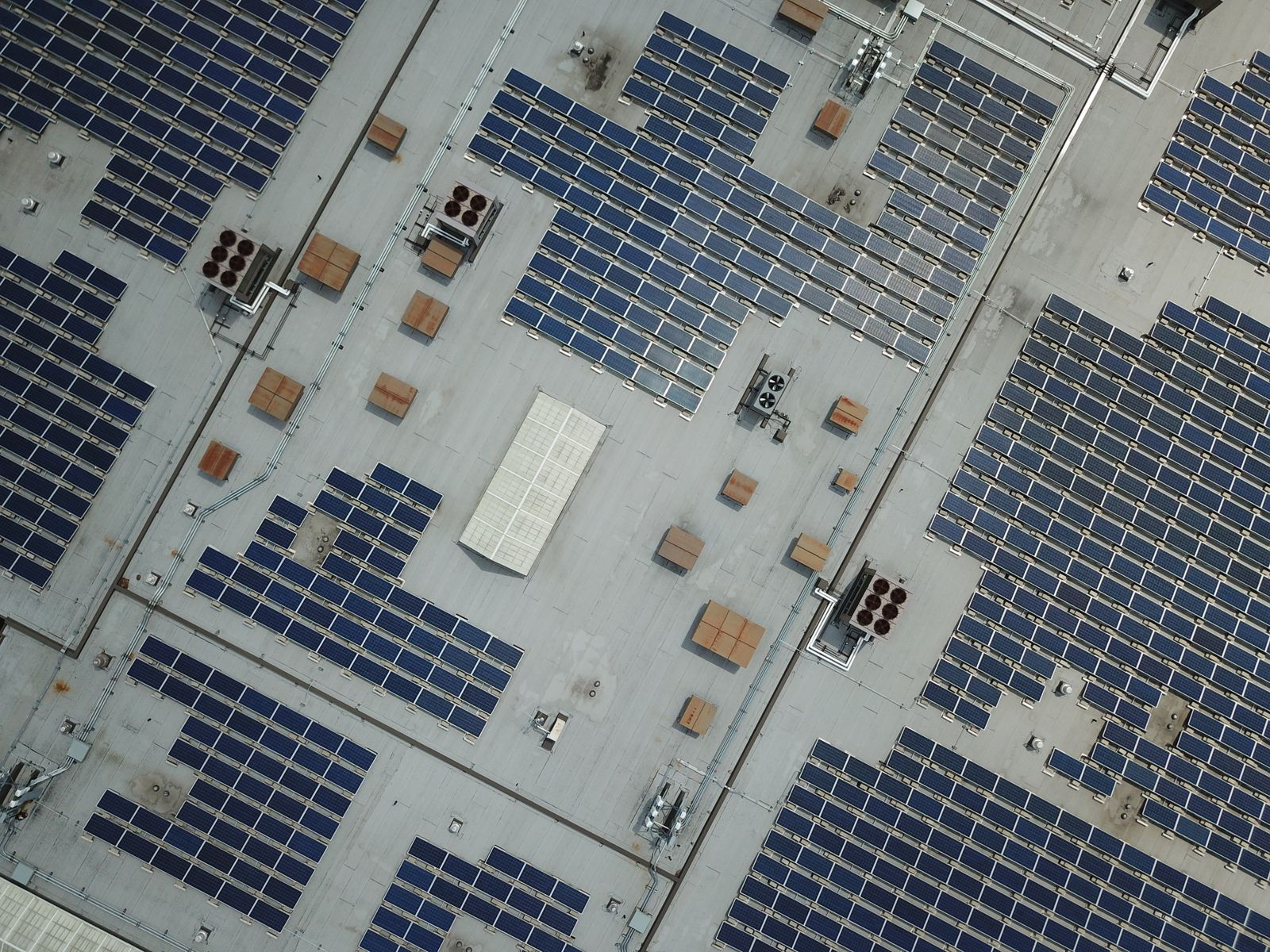
Real stock photograph by Altaf Shah showing solar panels on an industrial roof in Bradford, United Kingdom. Illustrative context; not a Hungarian project or Eximbank borrower.

Illustrative industrial-rooftop solar photo, Bradford, UK: Altaf Shah / Pexels (free-use licence). Not an Eximbank-funded site. Photo source ↗ · Licence ↗

ISSUE 050 · 7 November 2026

Three new routes from sustainability ambition to business action.

A €100 million credit line could help Hungarian companies cut energy costs, a tourism partnership takes aim at plastic waste, and Amazon is inviting climate-tech suppliers into a wider commercial evaluation. The money is agreed; the partnership is exploratory; the accelerator has not yet opened applications.

Read this edition →
  1. €100 million for greener Hungarian businesses—but which projects will qualify?European Investment Bank (signed financing announcement)
  2. Can cleaner coastlines become a practical tourism standard?The Ocean Cleanup and Global Sustainable Tourism Council (joint MOU announcement)
  3. Amazon is widening the door for climate-tech suppliers. Orders are not guaranteed.Amazon Press Center (programme announcement)

THE DAILY REVIEW

Read the world’s sustainability signals without losing the source trail.

Subscribe to future editions →