VeriCtoryGLOBAL SUSTAINABILITY REGISTRYSubmit a record ↗

VERICTORY PRESENTS

The Sustainability Review

Daily, source-linked reporting on the developments shaping a sustainable world.

ISSUE 054 · 12 November 2026

Three women turning sustainability into working businesses.

An Austrian founder has been recognised for scaling insect-based protein from organic by-products. A Dutch farmer is storing rainwater underground for dry months, while a Nigerian processor is testing whether direct sourcing can improve a cassava business and farmers' livelihoods. Awards highlight the people; operational evidence shows what can scale.

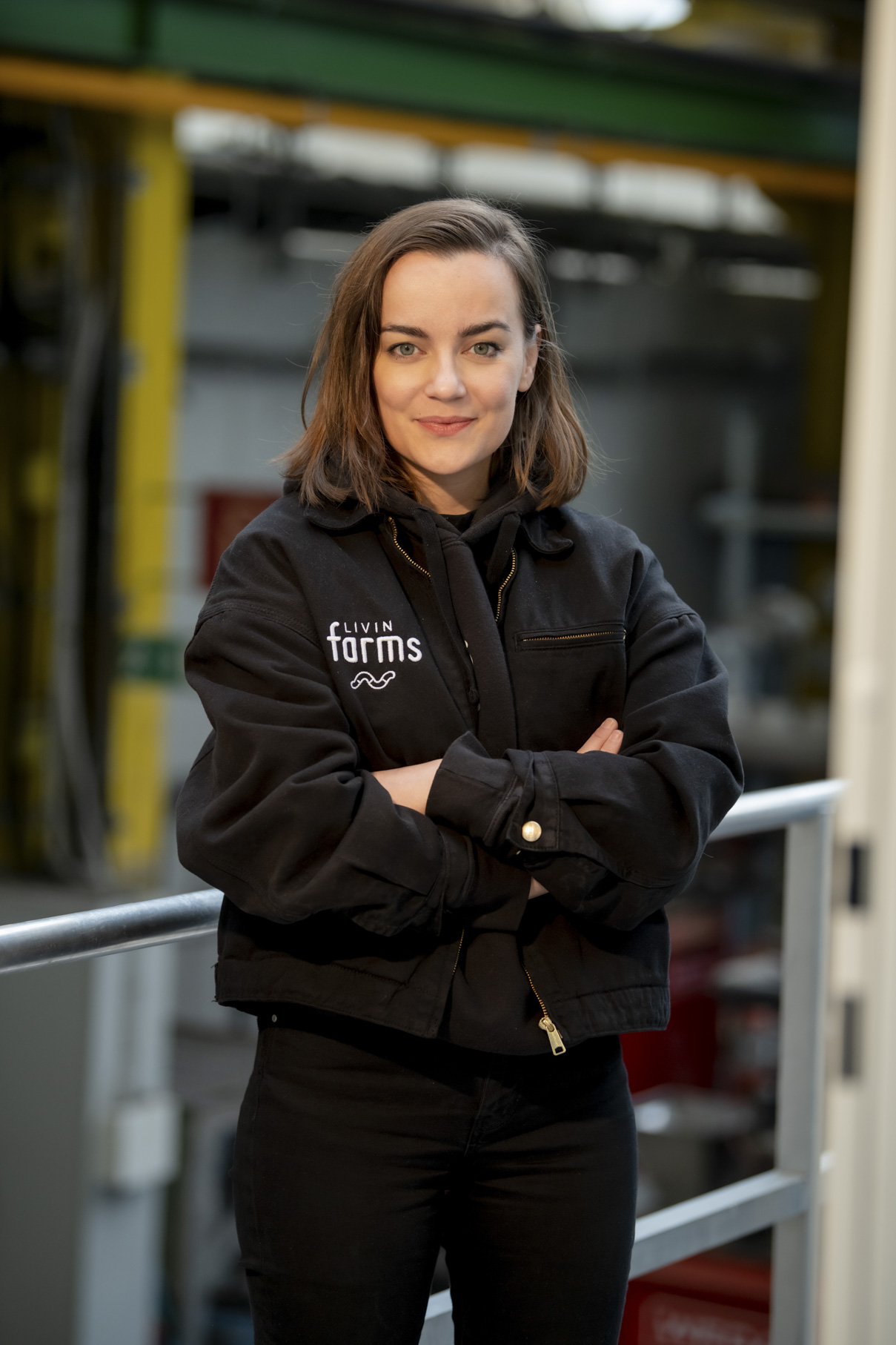
Katharina Unger, founder and CEO of LIVIN farms, standing at a company facility. Photograph by Paris Tsitsos for LIVIN farms, supplied in the company’s official press kit.

Katharina Unger at LIVIN farms: © Paris Tsitsos for LIVIN farms. Supplied in the company’s official press kit for editorial use. Photo source ↗

01Women in sustainability · Circular food

From food by-products to protein: an Austrian founder wins the technology award.

Katharina Unger, founder and CEO of Vienna-based LIVIN farms, took first place in the Technology & Research category of the 2026 Women in Ag Award. The German Agricultural Society, DLG, named the winners ahead of its 11 November EuroTier ceremony. Unger's company builds modular insect-rearing systems designed to turn lower-value organic by-products into protein, oil and fertiliser. DLG says systems in its network process more than 100,000 tonnes of organic by-products annually; that figure is the organiser's claim, not an independently audited throughput total reviewed here. The commercial question is whether food and feed processors can earn enough from recovered ingredients to cover equipment, energy, operating labour and consistent feedstock supply. LIVIN farms describes its Hive PRO units as designed to process thousands of tonnes each year, but unit design capacity is different from measured output at every customer site. The accompanying portrait shows Unger at LIVIN farms and comes from the company’s official press kit.
4 min read · Award announced 14 October; ceremony scheduled 11 November 2026 · DLG (2026 Women in Ag Award winners)Read the original source ↗
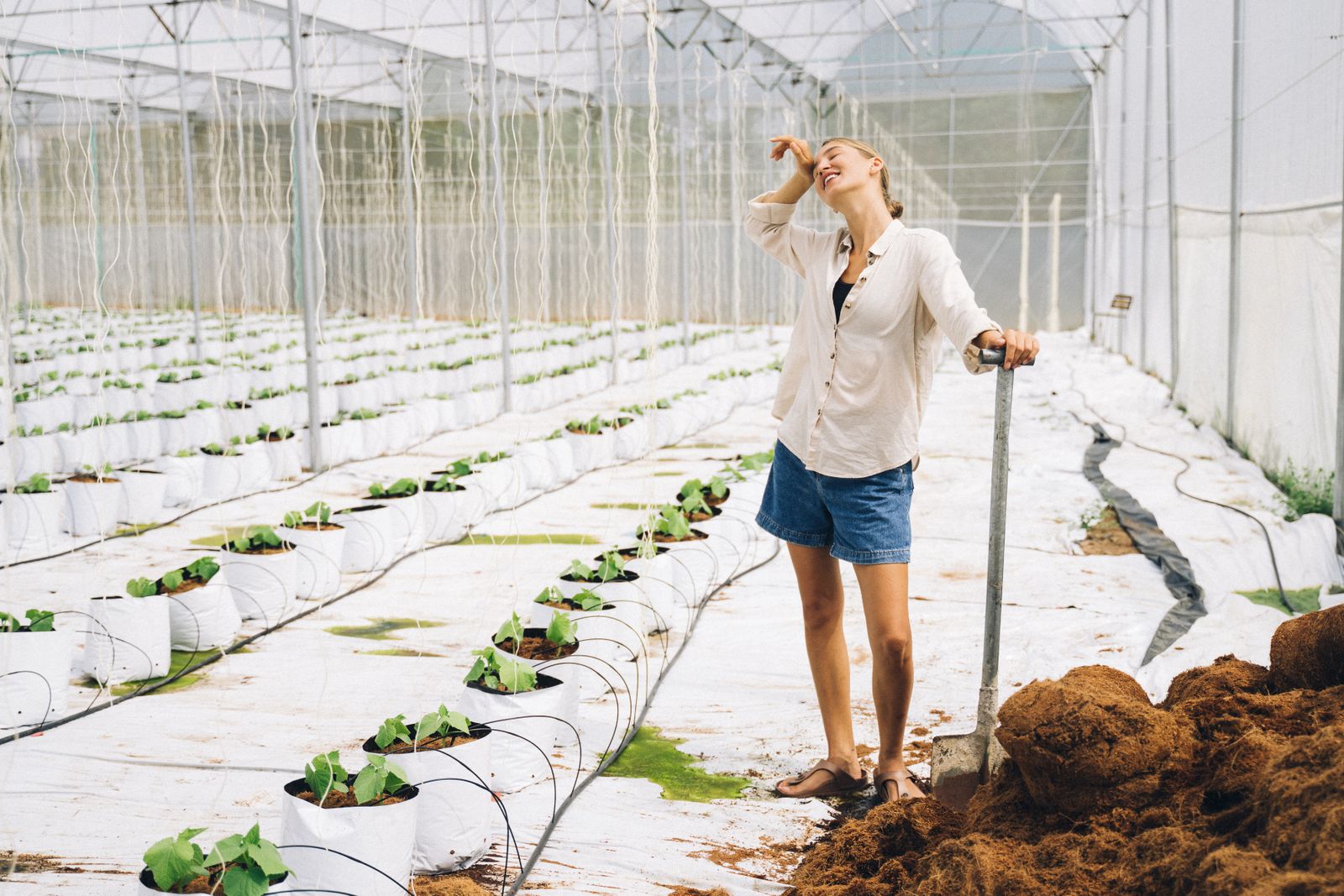
Real photograph by Anna Tarazevich of a woman in an unidentified greenhouse. Illustrative agricultural setting; not Marianne van den Hoek-Huijbregts, Freshwater Focus or the Dutch farm.

Illustrative greenhouse photo: Anna Tarazevich / Pexels (free-use licence). Not Marianne or her Freshwater Focus project. Photo source ↗ · Licence ↗

02Women in sustainability · Water resilience

A Dutch farmer stores winter rain underground for the dry season.

Marianne van den Hoek-Huijbregts won first place in the Farming category of the 2026 Women in Ag Award for Freshwater Focus, an aquifer storage and recovery system on her family's arable farm in Schouwen-Duiveland. The project captures and filters rainwater, stores it underground and draws it back for irrigation when freshwater is scarce. A local Living Lab reports that the first official infiltration took place in November 2025 and describes the farm as largely self-sufficient in freshwater. That is stronger evidence of a working installation than an award alone, but public figures for annual water recovered, energy use, costs and crop-yield effects are still needed to assess how readily the system could be copied elsewhere. Local geology and water quality also affect whether underground storage works. The licensed photograph shows a woman in an unidentified greenhouse; neither the person nor the greenhouse is Marianne or her Dutch farm.

3 min read · Award announced 14 October; ceremony scheduled 11 November 2026Read the original source ↗
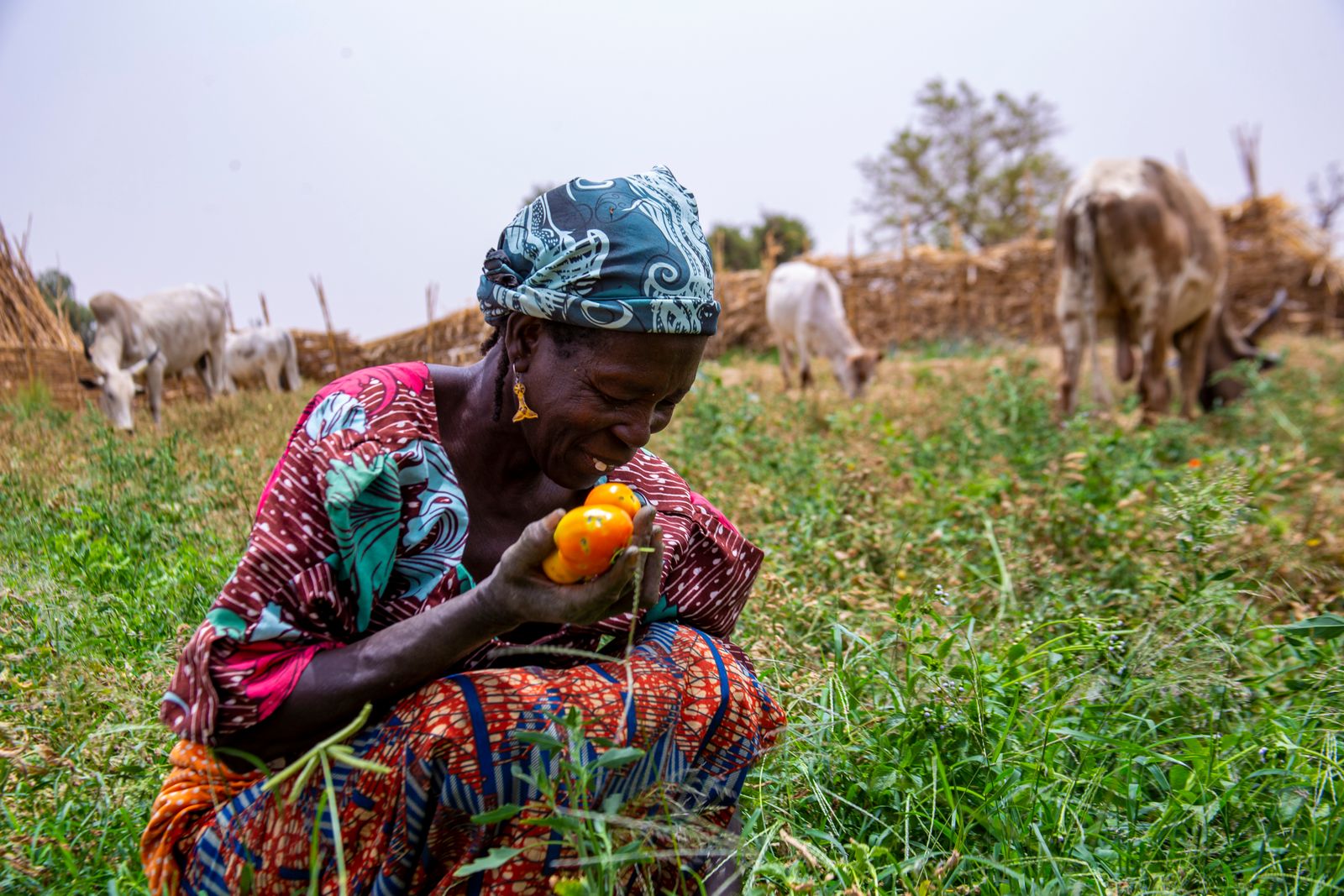
Real photograph by Achor David of a woman farmer in Nigeria holding tomatoes. Illustrative Nigerian agricultural context; not Ifeoma Okonkwo, a cassava supplier or an IfGreen site.

Illustrative Nigerian farm photo: Achor David / Pexels (free-use licence). The person pictured is not Ifeoma Okonkwo or a verified IfGreen supplier. Photo source ↗ · Licence ↗

03Women in sustainability · Agribusiness

A Nigerian cassava processor wins recognition—and faces the harder test of scale.

Ifeoma Okonkwo, co-founder and group managing director of IfGreen Industries & Investment, won first place in the 2026 Women in Ag Award's Agribusiness category. The Lagos-area company turns cassava into flour and staple foods and uses peels for animal feed. An August 2026 inclusive-business analysis by IDH's FarmFit programme gives the award a useful business context: IfGreen is trying to source more roots directly from approximately 2,060 young women growers rather than intermediaries. The analysis estimates established growers could lower the company's sourcing costs, but also finds that farmers in the model remain marginally loss-making under current conditions. These are modelled, early results, not evidence that all participating farmers are now profitable. DLG also describes biogas conversion, while March reporting treated it as a future plan; this edition therefore does not claim an operating biogas plant. The real photograph shows a woman farming in Nigeria, but she is not identified as Okonkwo or an IfGreen supplier.

4 min read · Award announced 14 October; ceremony scheduled 11 November 2026Read the original source ↗

ISSUE ARCHIVE

Every edition, kept searchable and source-linked.

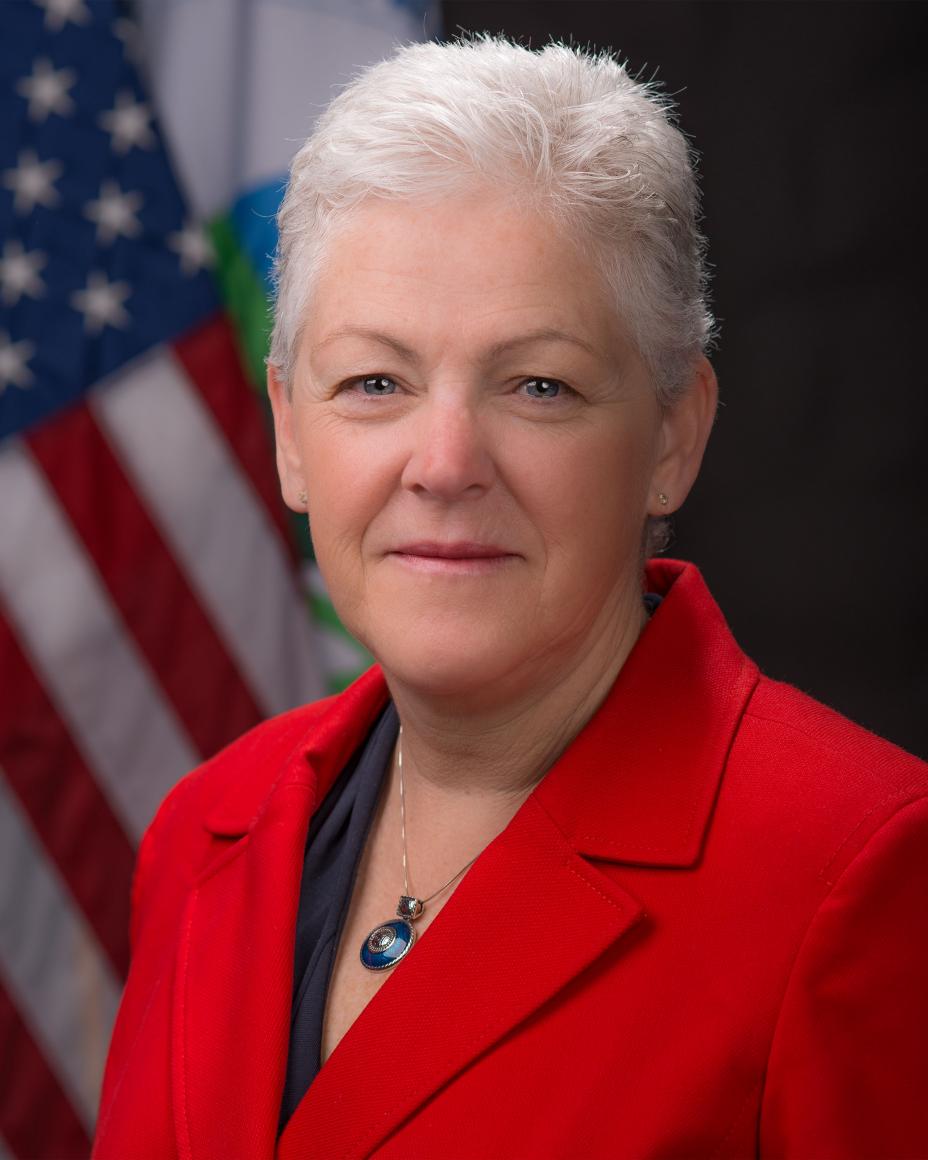
Official portrait of Gina McCarthy from her earlier tenure at the U.S. Environmental Protection Agency. Public-domain EPA image; not taken at COP31.

Gina McCarthy official portrait: U.S. Environmental Protection Agency / Wikimedia Commons (public domain). Historical portrait, not a COP31 photograph. Photo source ↗ · Licence ↗

ISSUE 055 · 13 November 2026

Women are turning climate leadership into practical decisions.

At COP31 today, women leading U.S. state and city climate work will put local delivery on the international stage. In India, an award-winning food-waste entrepreneur is helping shape support for solutions, while Canada backs nine women building businesses in materials, energy and resource recovery. The value of each effort rests on what gets financed, built and measured next.

Read this edition →
  1. At COP31, women leading U.S. climate action put delivery on the agenda.U.S. Climate Alliance (COP31 programme and delegation announcement)
  2. A food-waste founder brings a working business model to India's climate table.The Earthshot Prize (India Advisory Council announcement)
  3. Nine Canadian women founders take the next step towards clean-tech customers.MaRS Discovery District (2026–2028 cohort announcement)
Katharina Unger, founder and CEO of LIVIN farms, standing at a company facility. Photograph by Paris Tsitsos for LIVIN farms, supplied in the company’s official press kit.
Katharina Unger at LIVIN farms: © Paris Tsitsos for LIVIN farms. Supplied in the company’s official press kit for editorial use. Photo source ↗

ISSUE 054 · 12 November 2026

Three women turning sustainability into working businesses.

An Austrian founder has been recognised for scaling insect-based protein from organic by-products. A Dutch farmer is storing rainwater underground for dry months, while a Nigerian processor is testing whether direct sourcing can improve a cassava business and farmers' livelihoods. Awards highlight the people; operational evidence shows what can scale.

Read this edition →
  1. From food by-products to protein: an Austrian founder wins the technology award.DLG (2026 Women in Ag Award winners)
  2. A Dutch farmer stores winter rain underground for the dry season.DLG (2026 Women in Ag Award winners)
  3. A Nigerian cassava processor wins recognition—and faces the harder test of scale.DLG (2026 Women in Ag Award winners)
Two models on an indoor runway in a real photograph by cottonbro studio. Illustrative fashion-stage scene from an unrelated, unidentified show; not Glitz Africa Fashion Week in Accra.

Illustrative runway photo: cottonbro studio / Pexels (free-use licence). Not Glitz Africa Fashion Week or its designers. Photo source ↗ · Licence ↗

ISSUE 053 · 11 November 2026

Sustainable fashion steps onto the runway—and into the buying decision.

Accra's fashion week puts sustainable design in the spotlight this week. Meanwhile, Zalando has put two experimental fibre blends into a small retail pilot, and a global programme has opened a route for early-stage fashion innovators. The real test is what gets made, sold and measured after the show.

Read this edition →
  1. Accra puts sustainable design under the runway lights this week.Glitz Africa Fashion Week (official programme)
  2. Zalando's new fashion pilot puts next-generation fibres on sale.Zalando (Fiber Club launch)
  3. A new global search for fashion innovators asks which ideas can scale.Global Fashion Agenda (Trailblazer Programme)
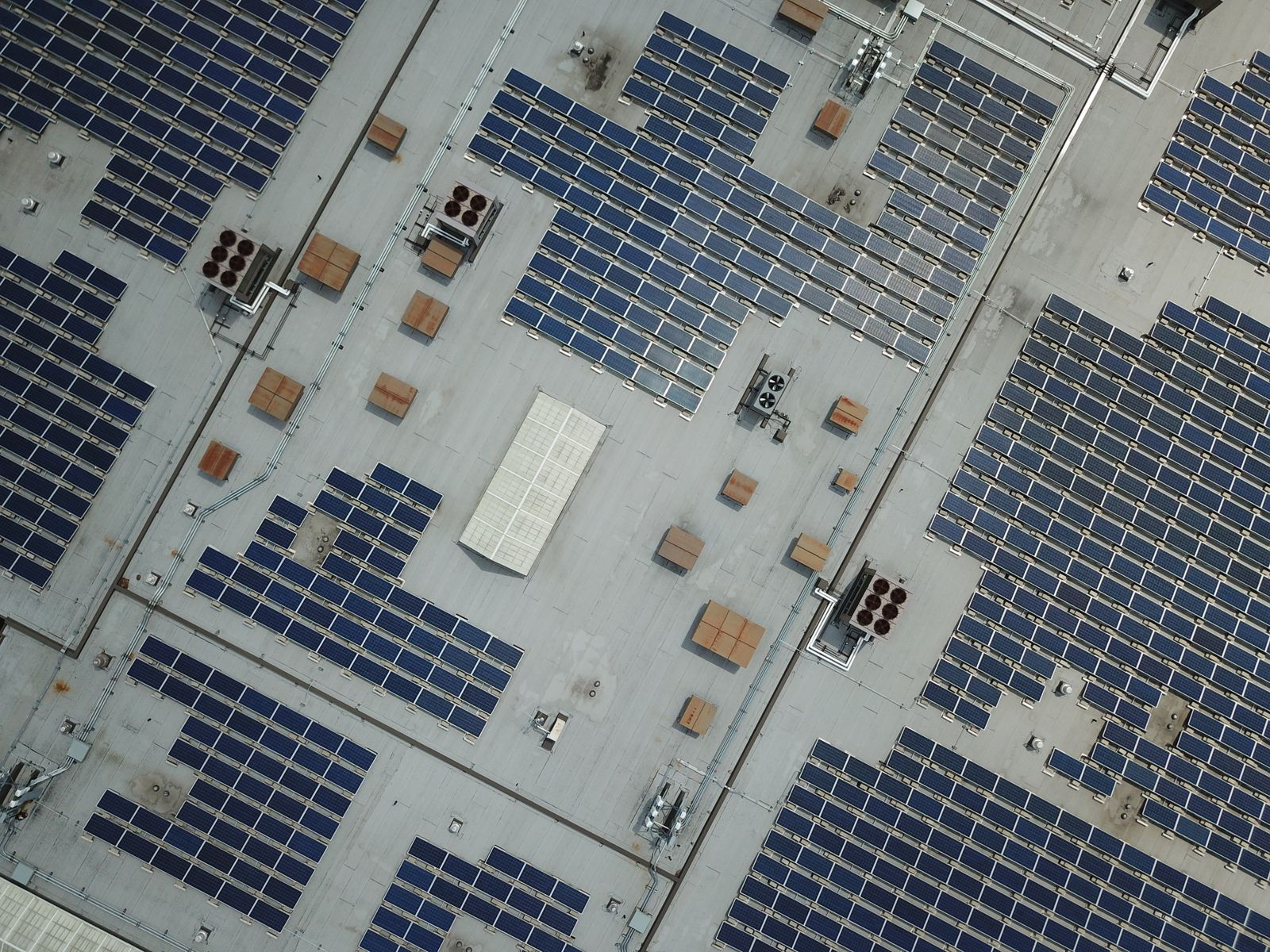
Real aerial photograph by Giant Asparagus showing solar panels on an unidentified industrial roof. Illustrative manufacturing-energy context; not a Refresco site or its new installation.

Illustrative industrial-rooftop photo: Giant Asparagus / Pexels (free-use licence). Not a Refresco facility. Photo source ↗ · Licence ↗

ISSUE 052 · 9 November 2026

The next sustainability assets may already be on the balance sheet.

A drinks producer is putting solar power on four factory roofs. A Japanese startup is testing whether wet sewage sludge can generate electricity. A UK investment report asks what it would take to make healthier landscapes bankable. Construction, a pilot and a policy pathway are three different stages—not three proven climate outcomes.

Read this edition →
  1. A drinks maker is turning its factory roofs into a 21.5 MW solar portfolio.GB NRG (Refresco solar-programme announcement)
  2. Can wet sewage sludge become electricity without first being dried?Rhinoflux (pilot announcement; Japanese)
  3. The UK wants nature projects to look less like grants—and more like investable assets.UK Office for Investment (independent natural-capital investment report)
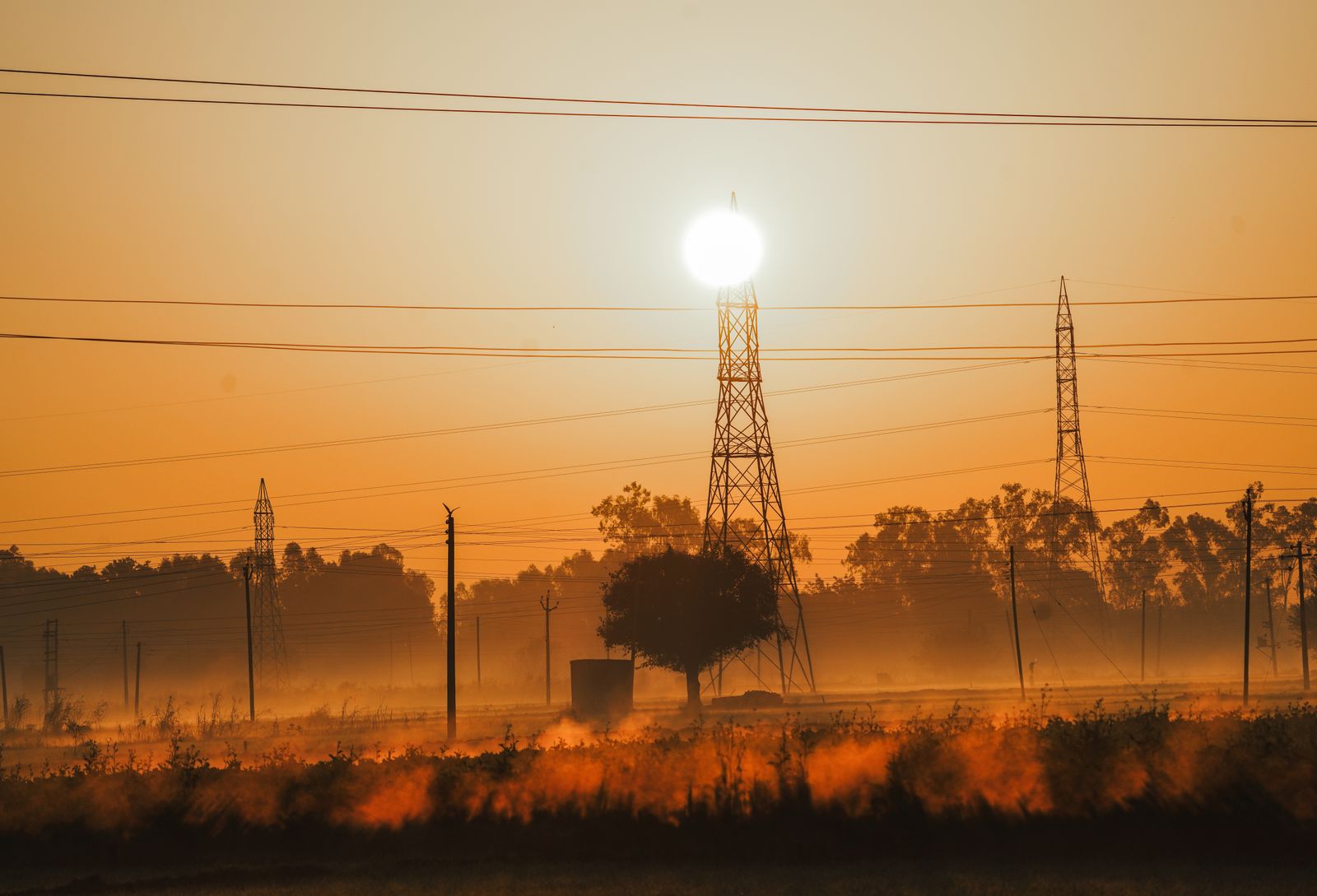
Real photograph by Pranav Jassi of transmission towers at sunset in Ludhiana, Punjab, India. Illustrative Indian-grid scene; not the planned Barmer–South Kalamb HVDC corridor.

Illustrative Indian-grid photo, Ludhiana: Pranav Jassi / Pexels (free-use licence). Not the announced HVDC route. Photo source ↗ · Licence ↗

ISSUE 051 · 8 November 2026

The clean-power bottleneck is moving from panels to the grid.

India has ordered a 6 GW transmission link to connect its renewable-rich west with demand farther away. In Spain, three solar-linked batteries have entered construction. In France, a completed ownership deal could reshape who collects packaging fees and plastic feedstock. None is a measured emissions result yet.

Read this edition →
  1. India orders a 6 GW power highway from its renewable-rich west.GE Vernova (project-order announcement)
  2. Spain starts building batteries that can support the grid—not just store solar power.Masdar (construction announcement)
  3. A completed French packaging deal puts recycling fees and plastic supply in one frame.Agilyx (completed GreenDot–Valorie transaction release)
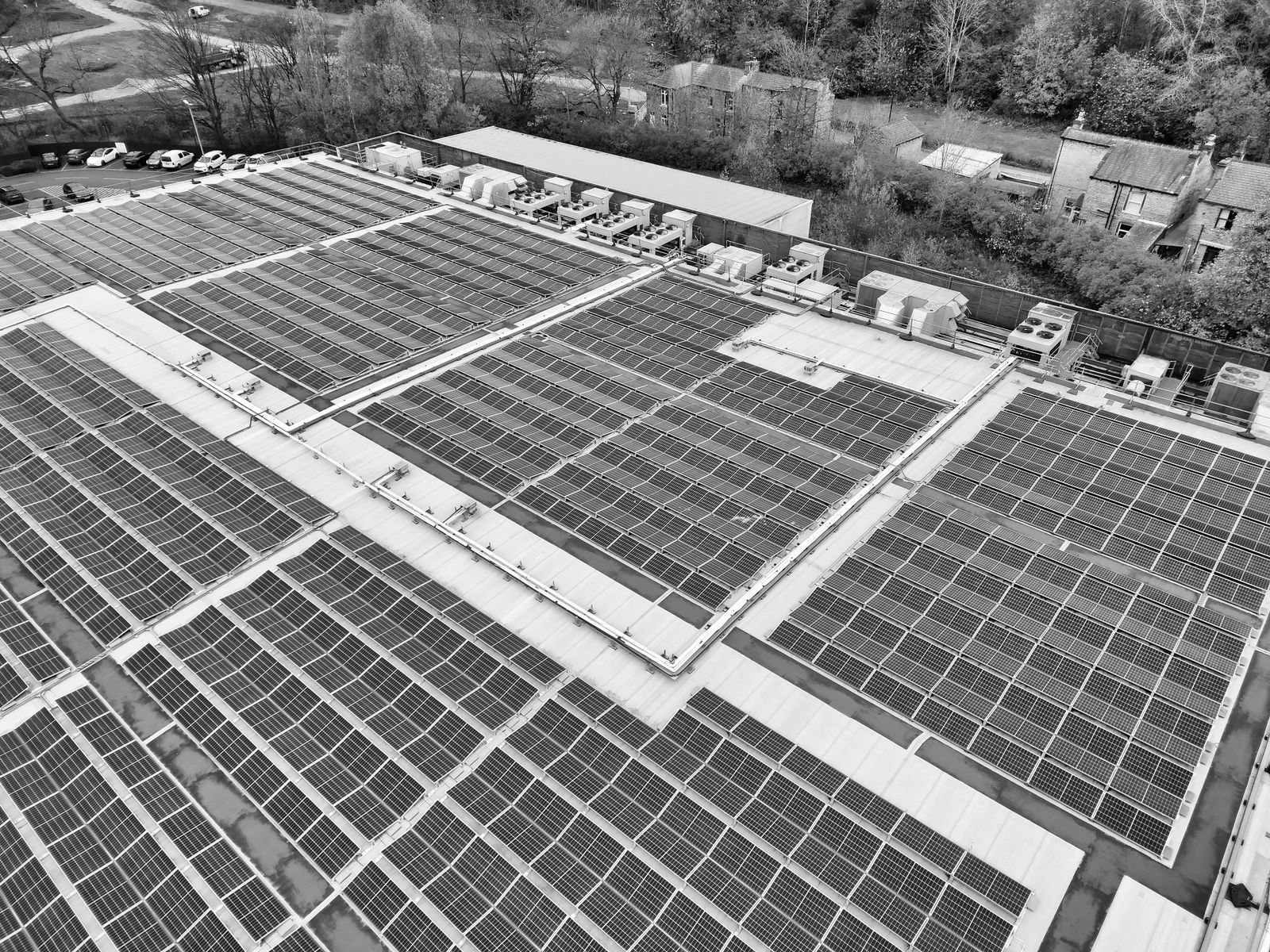
Real stock photograph by Altaf Shah showing solar panels on an industrial roof in Bradford, United Kingdom. Illustrative context; not a Hungarian project or Eximbank borrower.

Illustrative industrial-rooftop solar photo, Bradford, UK: Altaf Shah / Pexels (free-use licence). Not an Eximbank-funded site. Photo source ↗ · Licence ↗

ISSUE 050 · 7 November 2026

Three new routes from sustainability ambition to business action.

A €100 million credit line could help Hungarian companies cut energy costs, a tourism partnership takes aim at plastic waste, and Amazon is inviting climate-tech suppliers into a wider commercial evaluation. The money is agreed; the partnership is exploratory; the accelerator has not yet opened applications.

Read this edition →
  1. €100 million for greener Hungarian businesses—but which projects will qualify?European Investment Bank (signed financing announcement)
  2. Can cleaner coastlines become a practical tourism standard?The Ocean Cleanup and Global Sustainable Tourism Council (joint MOU announcement)
  3. Amazon is widening the door for climate-tech suppliers. Orders are not guaranteed.Amazon Press Center (programme announcement)

THE DAILY REVIEW

Read the world’s sustainability signals without losing the source trail.

Subscribe to future editions →