VeriCtoryGLOBAL SUSTAINABILITY REGISTRYSubmit a record

VERICTORY PRESENTS

The Sustainability Review

Daily, source-linked reporting on the developments shaping a sustainable world.

ISSUE 004 · 11 September 2026

The resilience forecast just turned urgent.

A stronger El Niño, renewed coal demand and Pacific climate-data infrastructure all point to the same test: whether systems can use advance signals before disruption arrives.

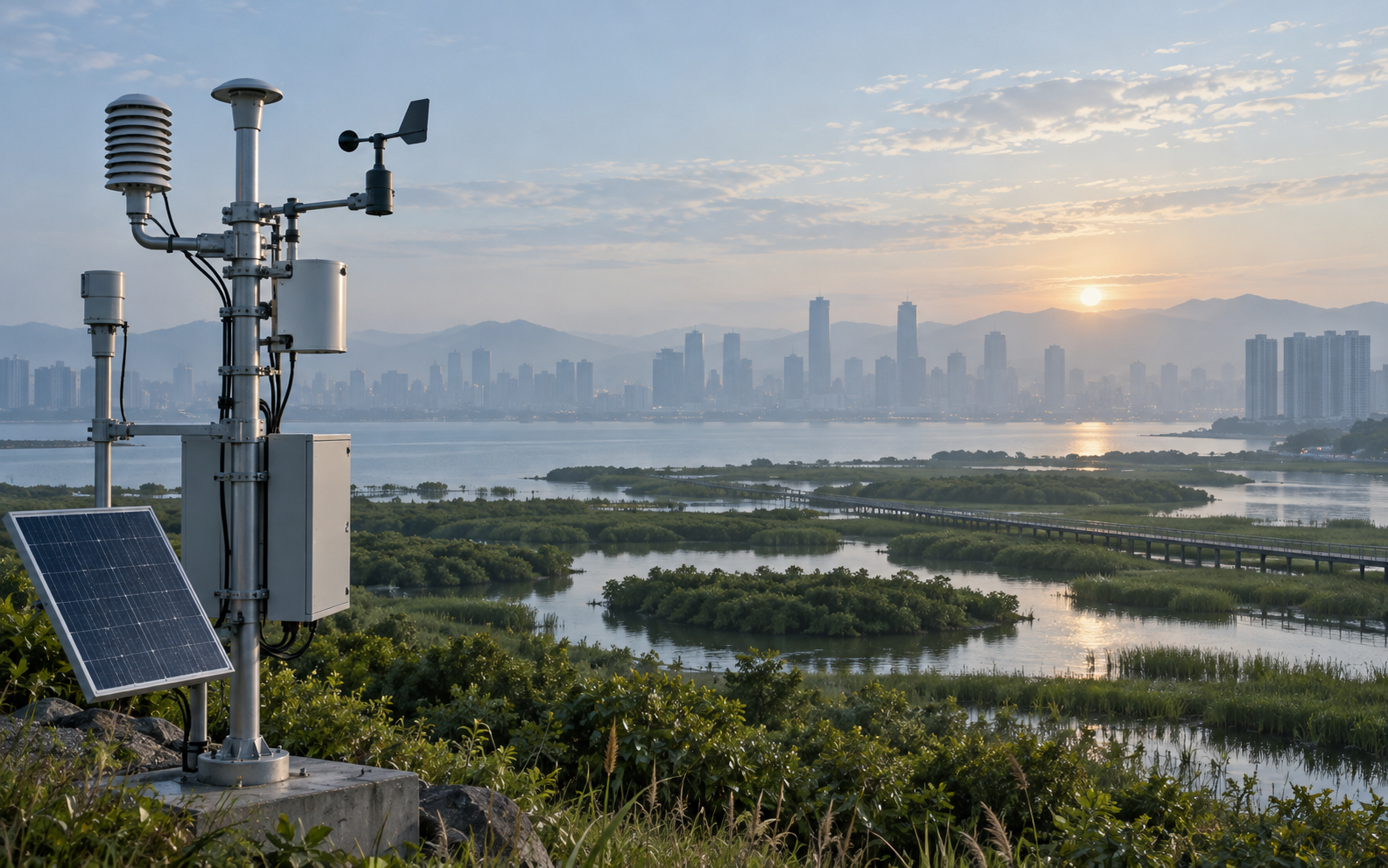
Editorial visualisation of a fictional Pacific coastal early-warning station at dawn; illustrative, not a documentary photograph.

Image: VeriCtory editorial visualisation (AI-generated; illustrative, not a documentary photograph).

01Climate outlook

A stronger El Niño is moving from forecast to a readiness test.

WMO’s latest seasonal update projects a stronger El Niño through the September–November period, with unusually high agreement among forecast systems and a possible peak later in the year. The value of that signal is not certainty about every local impact; it is time. Water managers, public-health teams, food systems and infrastructure operators can use the outlook now to stress-test plans for heat, rainfall extremes and shifting seasonal conditions. A forecast becomes resilience only when it changes a decision before the consequences arrive.
5 min read · 03 September 2026 · World Meteorological OrganizationRead the original source ↗
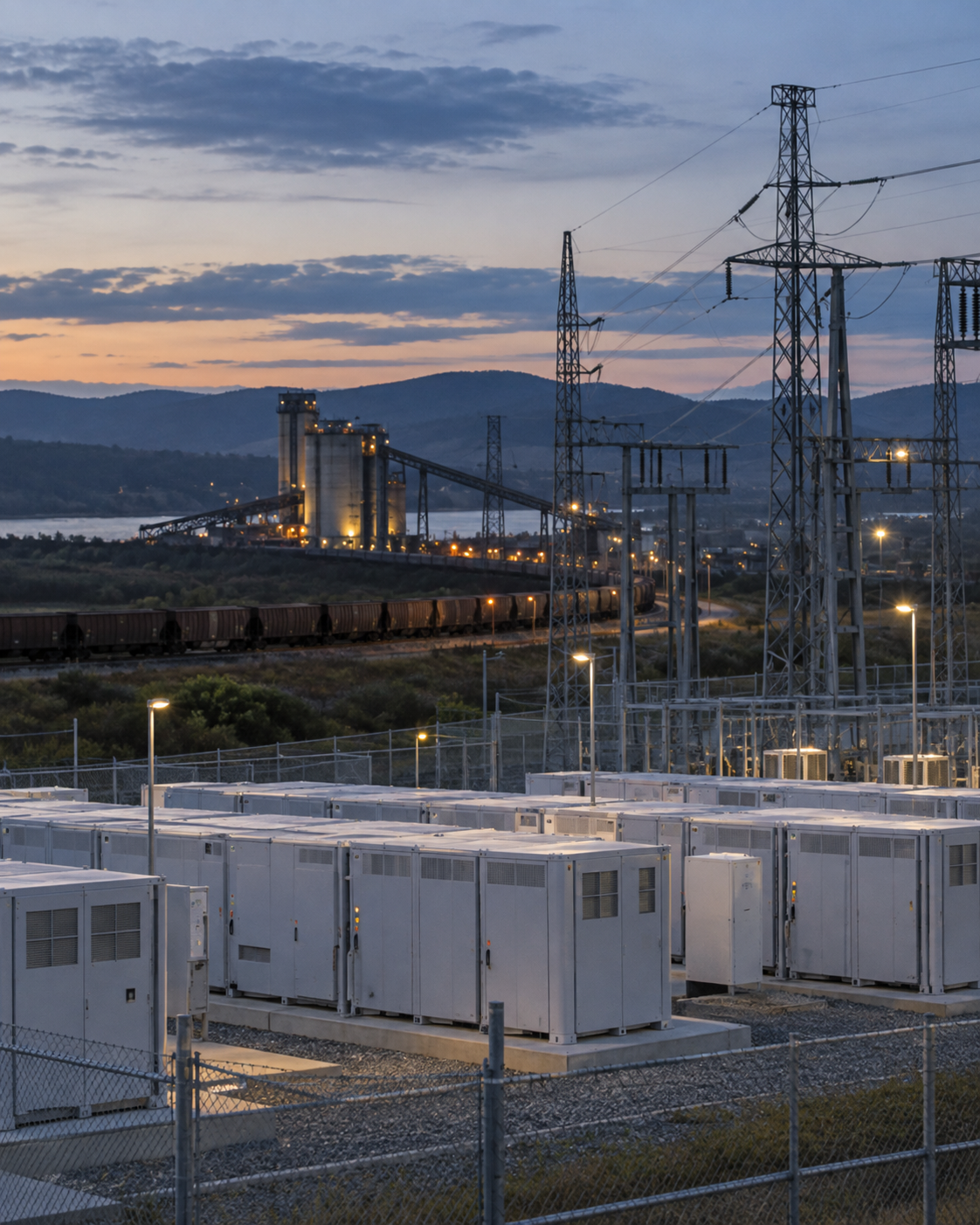
Editorial visualisation of fictional grid and battery infrastructure at blue hour; illustrative, not a documentary photograph.

Image: VeriCtory editorial visualisation (AI-generated; illustrative, not a documentary photograph).

02Energy security

Energy shocks are reviving coal demand.

The IEA now expects global coal demand to rise in 2026 as higher gas prices reshape power-system choices amid the Middle East conflict. The warning is not only about a single fuel: it exposes how quickly energy-security pressures can narrow options when grids, storage, efficiency and clean supply are not ready at scale. Reliable systems need contingency plans that protect households and industry without making higher-emissions choices the default response to disruption.

5 min read · 10 September 2026Read the original source ↗
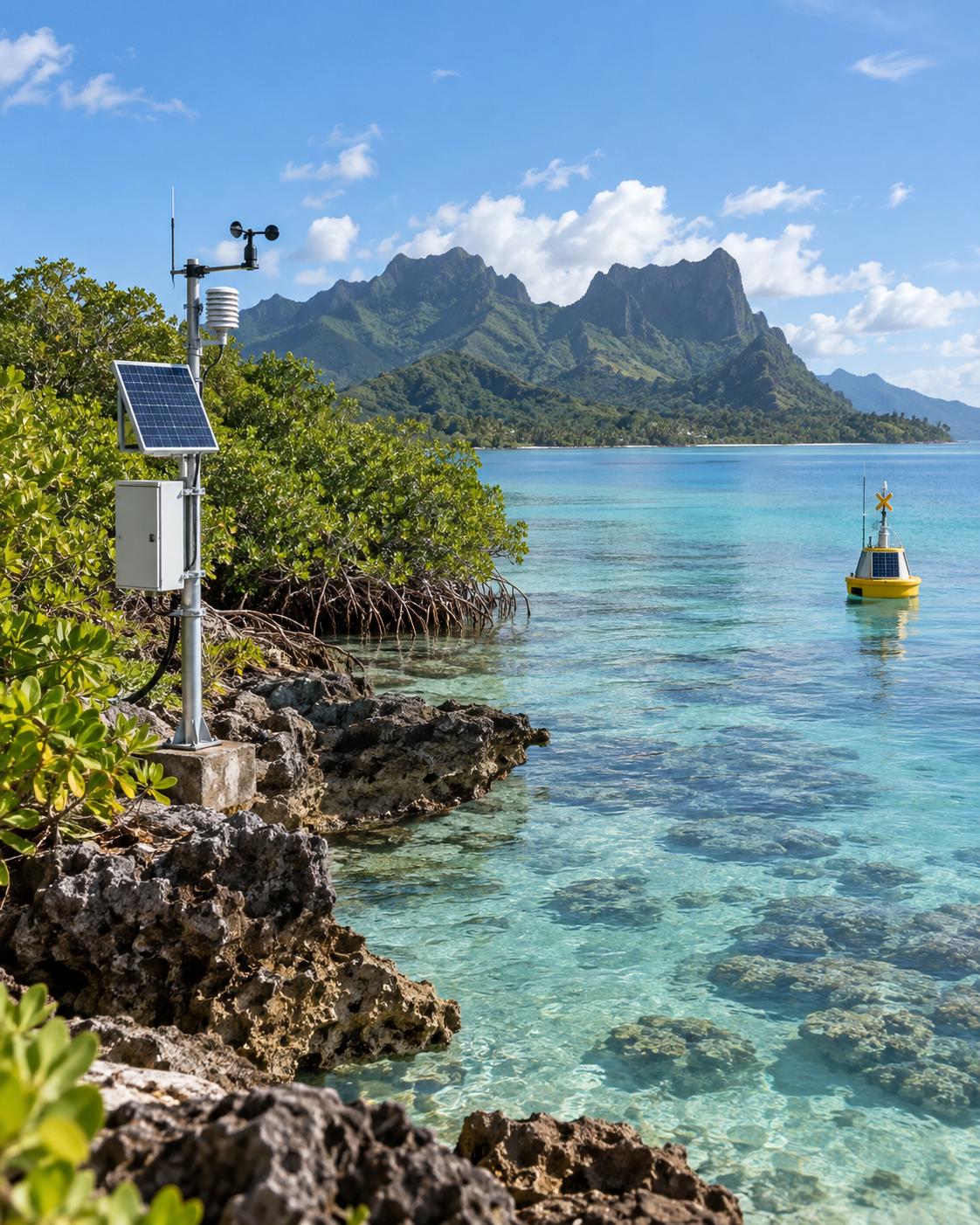
Editorial visualisation of a fictional Pacific coral lagoon with early-warning equipment; illustrative, not a documentary photograph.

Image: VeriCtory editorial visualisation (AI-generated; illustrative, not a documentary photograph).

03Ocean resilience

In Palau, climate data is becoming local infrastructure.

UNEP and Palau have launched new climate and ocean information platforms designed to move forecasts, reef data and early-warning tools closer to daily decisions. The work connects the ocean economy with disaster preparedness: usable information can help communities, fishers, planners and emergency teams prepare for changing conditions rather than merely record them. It is a practical model for resilience — data has its greatest value when the people exposed to risk can act on it.

5 min read · 09 September 2026Read the original source ↗

ISSUE ARCHIVE

Every edition, kept searchable and source-linked.

Editorial image for this Sustainability Review issue

Photo: Kindel Media / Pexels (free-use licence).

ISSUE 008 · 21 September 2026

The transition is becoming infrastructure, not a side project.

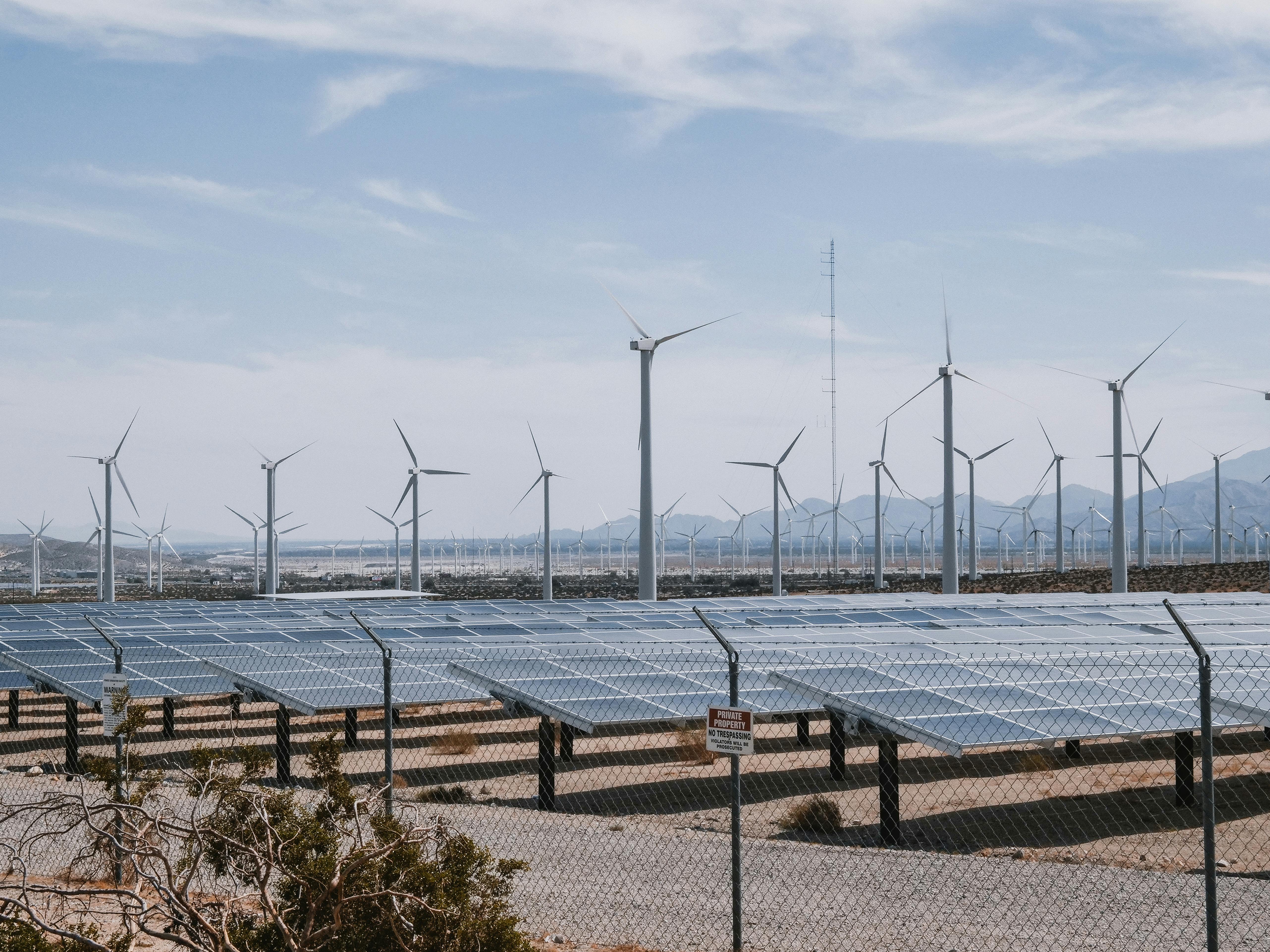
Three current signals connect renewable electricity, cooling systems and climate services: the practical assets that determine whether sustainability can perform under real-world pressure.

Read this edition →
  1. Renewables supplied more than half of EU electricity in the second quarter.Eurostat
  2. Sustainable cooling is moving from climate pledge to operating system.United Nations Environment Programme
  3. Pacific climate resilience is being organised around trusted warning systems.World Meteorological Organization
Editorial image for this Sustainability Review issue

Photo: Frans van Heerden / Pexels (free-use licence).

ISSUE 007 · 18 September 2026

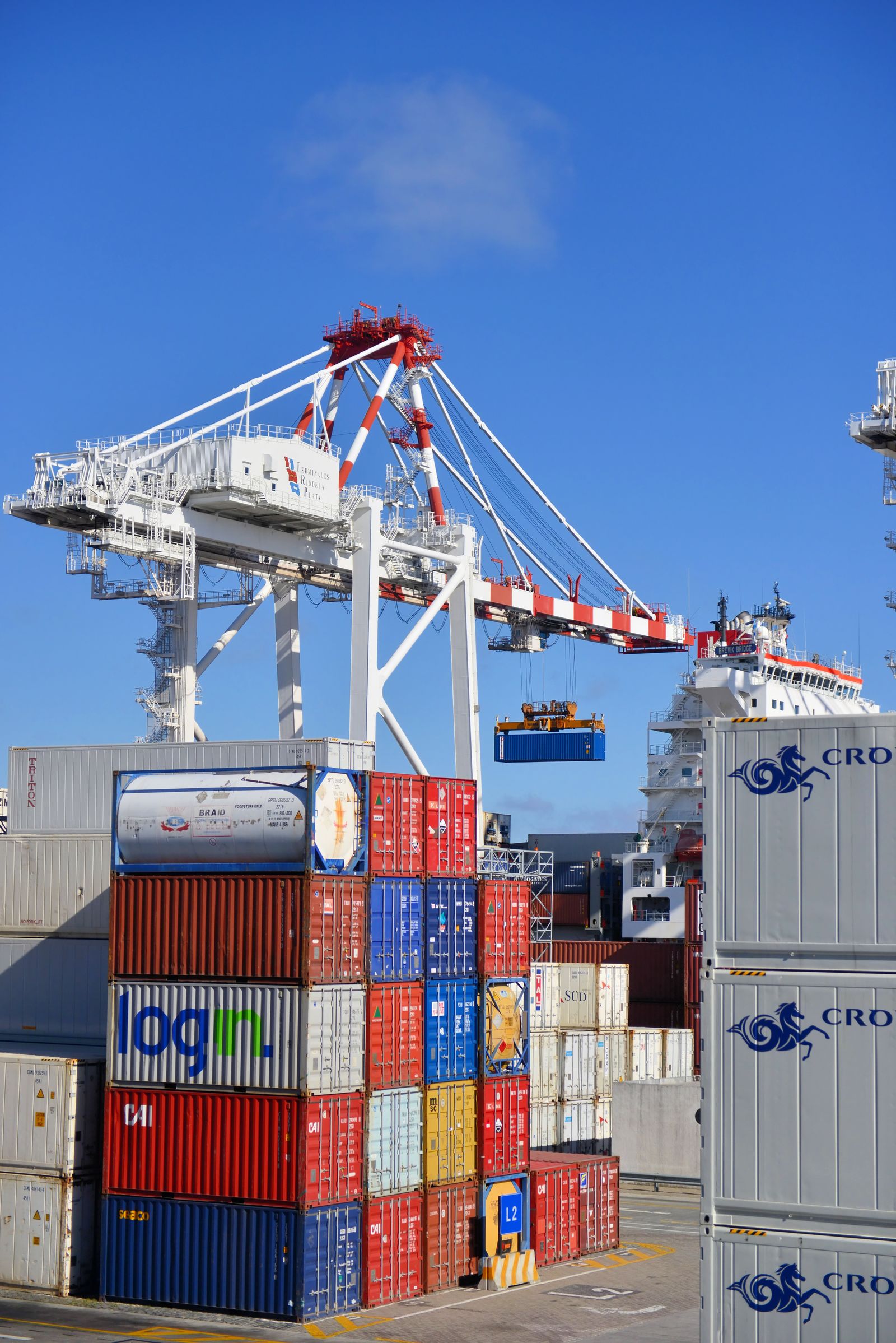
The business of resilience is moving into the supply chain.

Today’s three signals show the transition becoming operational: diversified supply chains, capital for circular systems and a sharper route from agricultural research to market uptake.

Read this edition →
  1. Europe is putting supply-chain resilience on the CEO agenda.European Commission
  2. Circularity is becoming a jobs-and-capital question.United Nations Environment Programme
  3. Farm innovation is being pushed toward market uptake.European Commission
Editorial image for this Sustainability Review issue

Photo: Heru Dharma / Pexels (free-use licence).

ISSUE 006 · 17 September 2026

The circular economy is moving into the operating model.

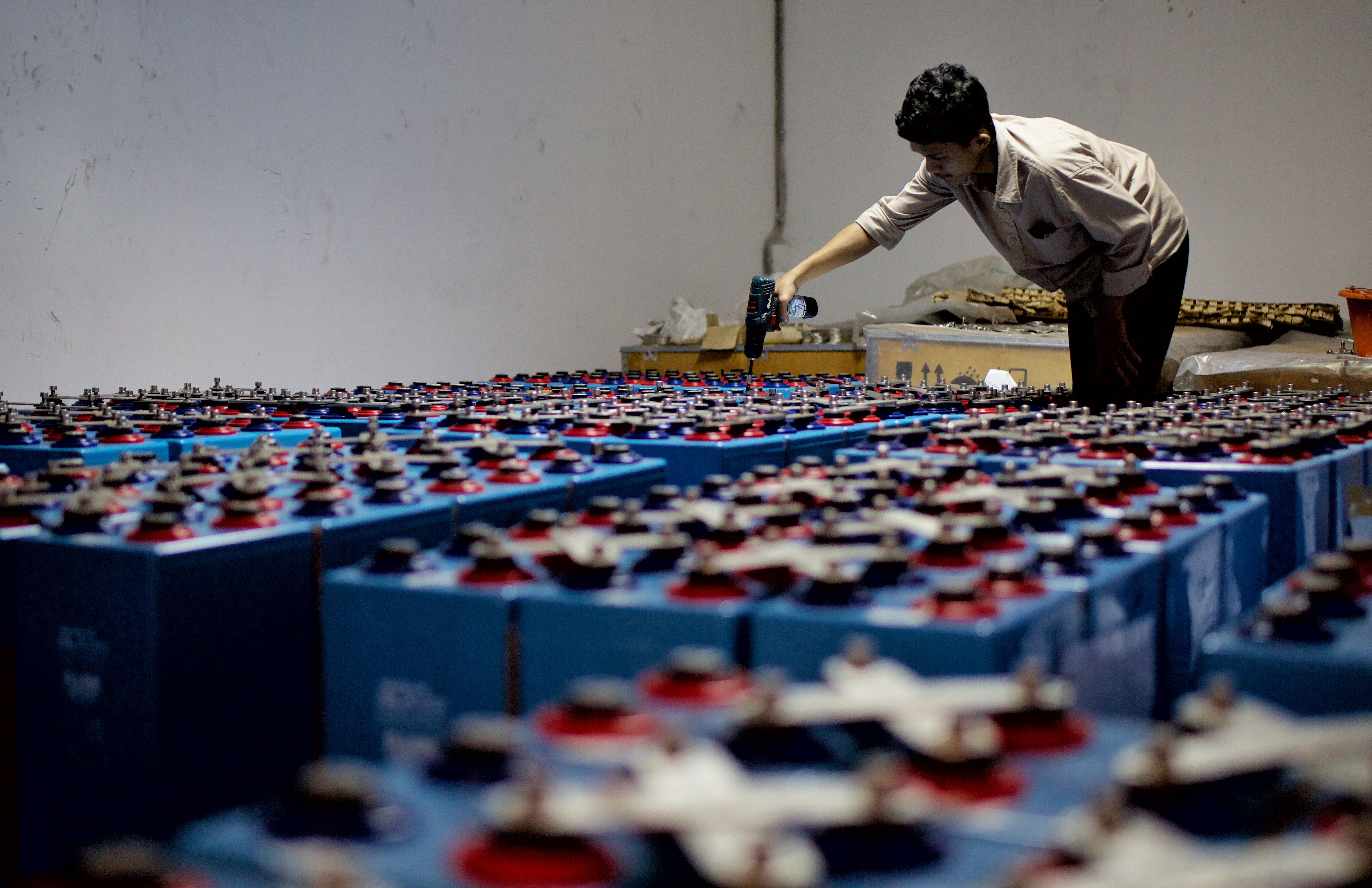
Today’s three business signals trace the infrastructure beneath circularity: resilient battery supply, material recovery and tax rules that can reward keeping value in use.

Read this edition →
  1. Europe’s battery strategy is becoming a whole-value-chain test.European Commission SETIS
  2. Battery recycling targets are holding — and that changes the investment signal.European Commission
  3. Europe is asking whether tax rules still reward throwing value away.European Commission
Editorial image for this Sustainability Review issue

Image: VeriCtory AI editorial visualisation (illustrative, not a documentary photograph).

ISSUE 005 · 14 September 2026

The business of sustainability is getting more concrete.

This edition follows the practical mechanisms behind the transition: financing battery production, moving environmental innovation towards market and redesigning resource-intensive supply chains.

Read this edition →
  1. Europe is putting real finance behind battery manufacturing.European Commission
  2. Environmental innovation is being asked to prove its route to market.European Climate, Infrastructure and Environment Executive Agency
  3. Fashion and construction are being treated as one circular-supply-chain problem.United Nations Environment Programme
Editorial image for this Sustainability Review issue

Image: VeriCtory editorial visualisation (AI-generated; illustrative, not a documentary photograph).

ISSUE 004 · 11 September 2026

The resilience forecast just turned urgent.

A stronger El Niño, renewed coal demand and Pacific climate-data infrastructure all point to the same test: whether systems can use advance signals before disruption arrives.

Read this edition →
  1. A stronger El Niño is moving from forecast to a readiness test.World Meteorological Organization
  2. Energy shocks are reviving coal demand.International Energy Agency
  3. In Palau, climate data is becoming local infrastructure.United Nations Environment Programme
Editorial image for this Sustainability Review issue

Editorial visualisation — AI generated by VeriCtory; illustrative, not a documentary photograph.

ISSUE 003 · 10 September 2026

The resilience test is moving upstream.

Today’s three signals connect the air we breathe, the security built into energy systems and the cooling choices that will shape a hotter world.

Read this edition →
  1. Clean air can no longer be planned separately from climate risk.World Meteorological Organization
  2. Energy security is becoming a flexibility question.International Energy Agency
  3. A cooler planet depends on how the world cools.United Nations Environment Programme

THE DAILY REVIEW

Read the world’s sustainability signals without losing the source trail.

Subscribe to future editions →