VeriCtoryGLOBAL SUSTAINABILITY REGISTRYSubmit a record

VERICTORY PRESENTS

The Sustainability Review

Daily, source-linked reporting on the developments shaping a sustainable world.

ISSUE 006 · 17 September 2026

The circular economy is moving into the operating model.

Today’s three business signals trace the infrastructure beneath circularity: resilient battery supply, material recovery and tax rules that can reward keeping value in use.

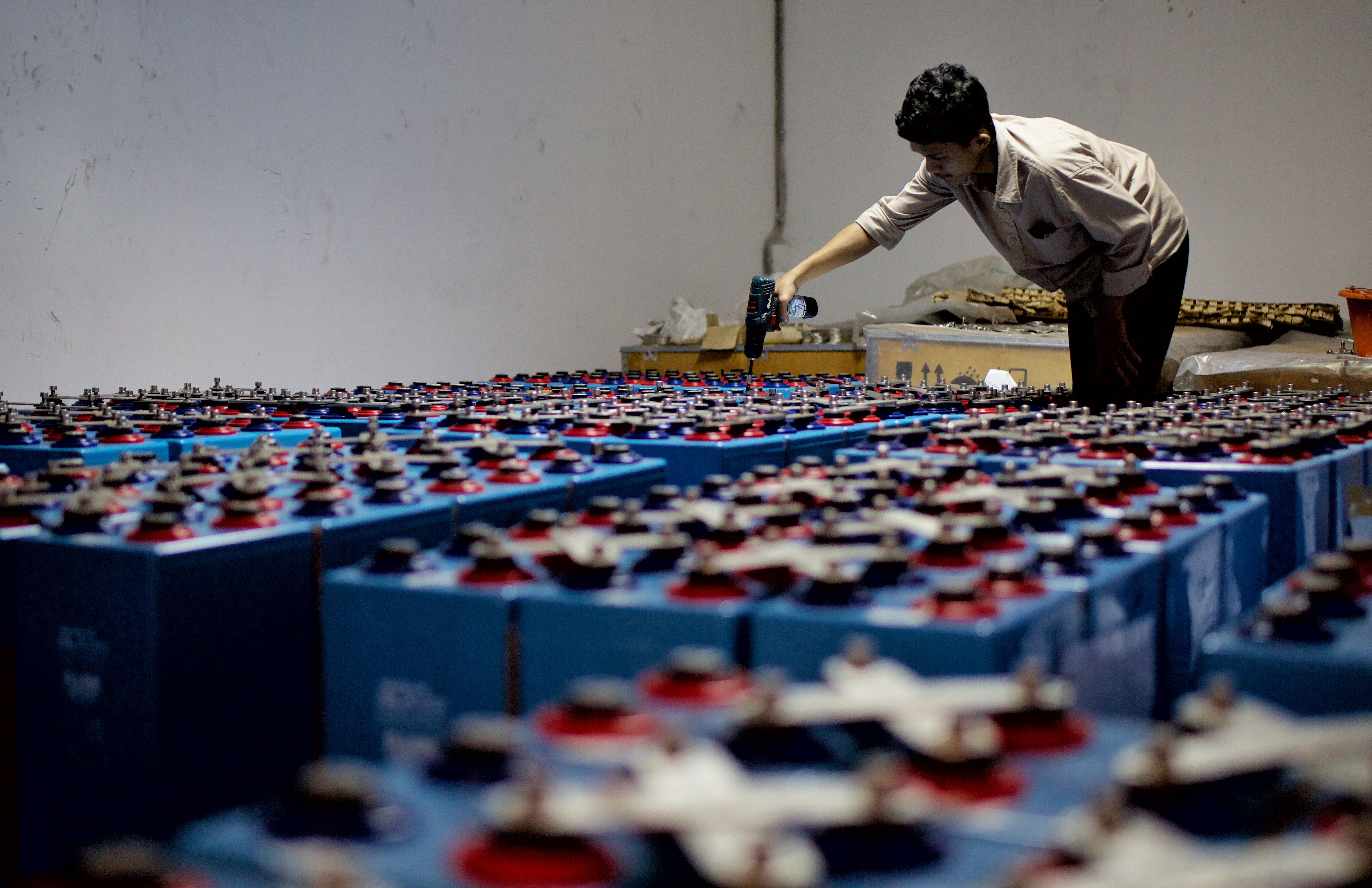
Licensed photograph of a worker inspecting industrial batteries in a warehouse.

Photo: Heru Dharma / Pexels (free-use licence).

01Industrial resilience

Europe’s battery strategy is becoming a whole-value-chain test.

A new strategic plan from the EU’s SET Plan battery working group frames the next phase of Europe’s battery push as more than a manufacturing-capacity target. It connects production scale, cost competitiveness, recycling capacity, next-generation technology and more resilient supply chains. The commercial takeaway is clear: a durable battery business cannot stop at cell output. It needs repair, recovery, data and end-of-life pathways designed into the operating model. For manufacturers and investors, the question is whether the value chain can become circular at industrial scale before material constraints become a growth constraint.
5 min read · 16 September 2026 · European Commission SETISRead the original source ↗
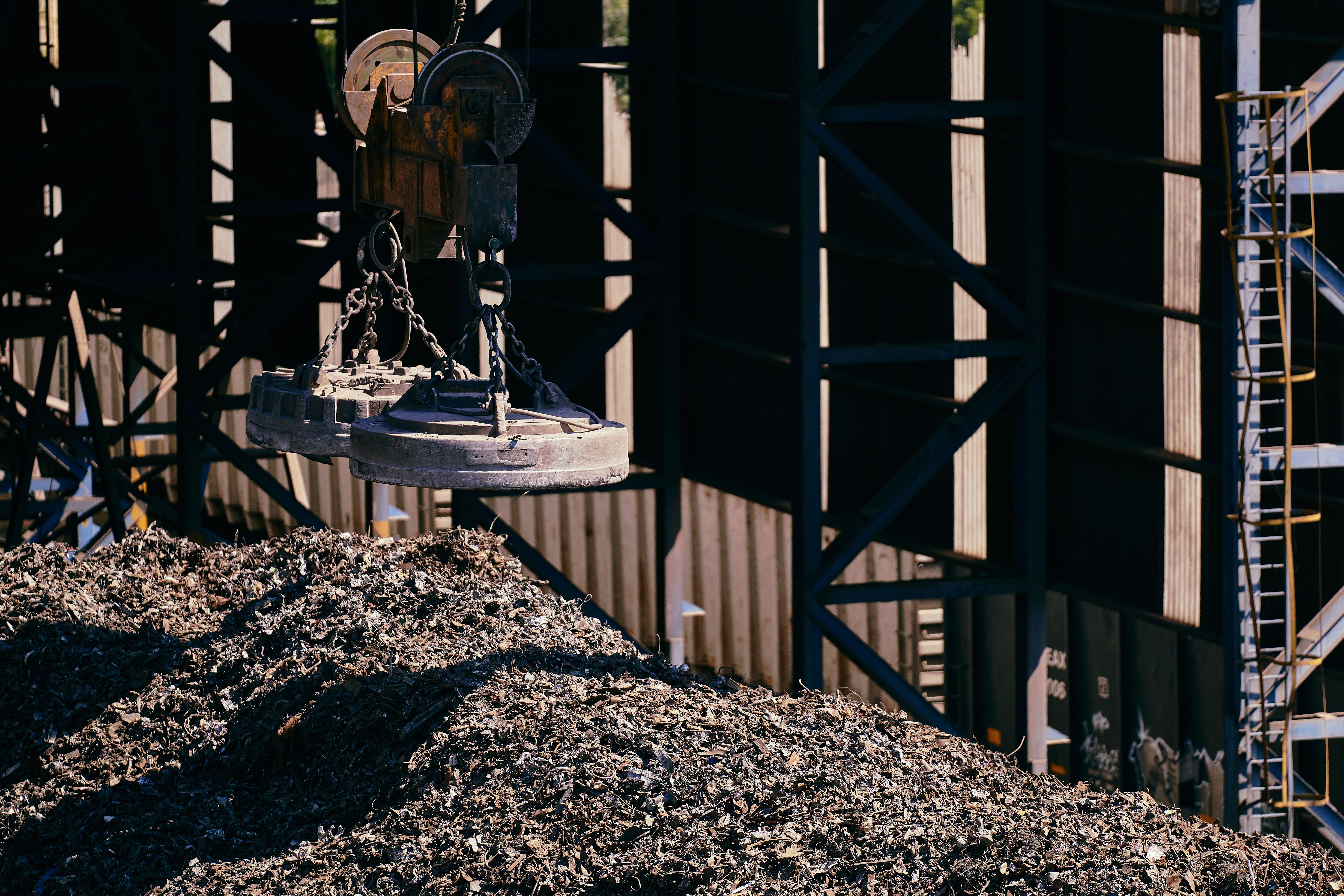
Licensed photograph of industrial equipment handling scrap metal in a recycling facility.

Photo: Willians Huerta / Pexels (free-use licence).

02Circular materials

Battery recycling targets are holding — and that changes the investment signal.

The European Commission has concluded that the EU’s current recycling-efficiency and material-recovery targets for waste batteries remain appropriate. That judgement matters because it preserves a long-term operating baseline for an industry deciding where to invest in collection, recycling and refining capacity. The policy keeps attention on cobalt, copper, lead, lithium and nickel — materials that sit at the centre of both clean mobility and strategic supply risk. For business, stability in the targets is not a pause in ambition; it is a clearer runway to build recovery systems that can keep critical materials circulating.

4 min read · 11 September 2026Read the original source ↗
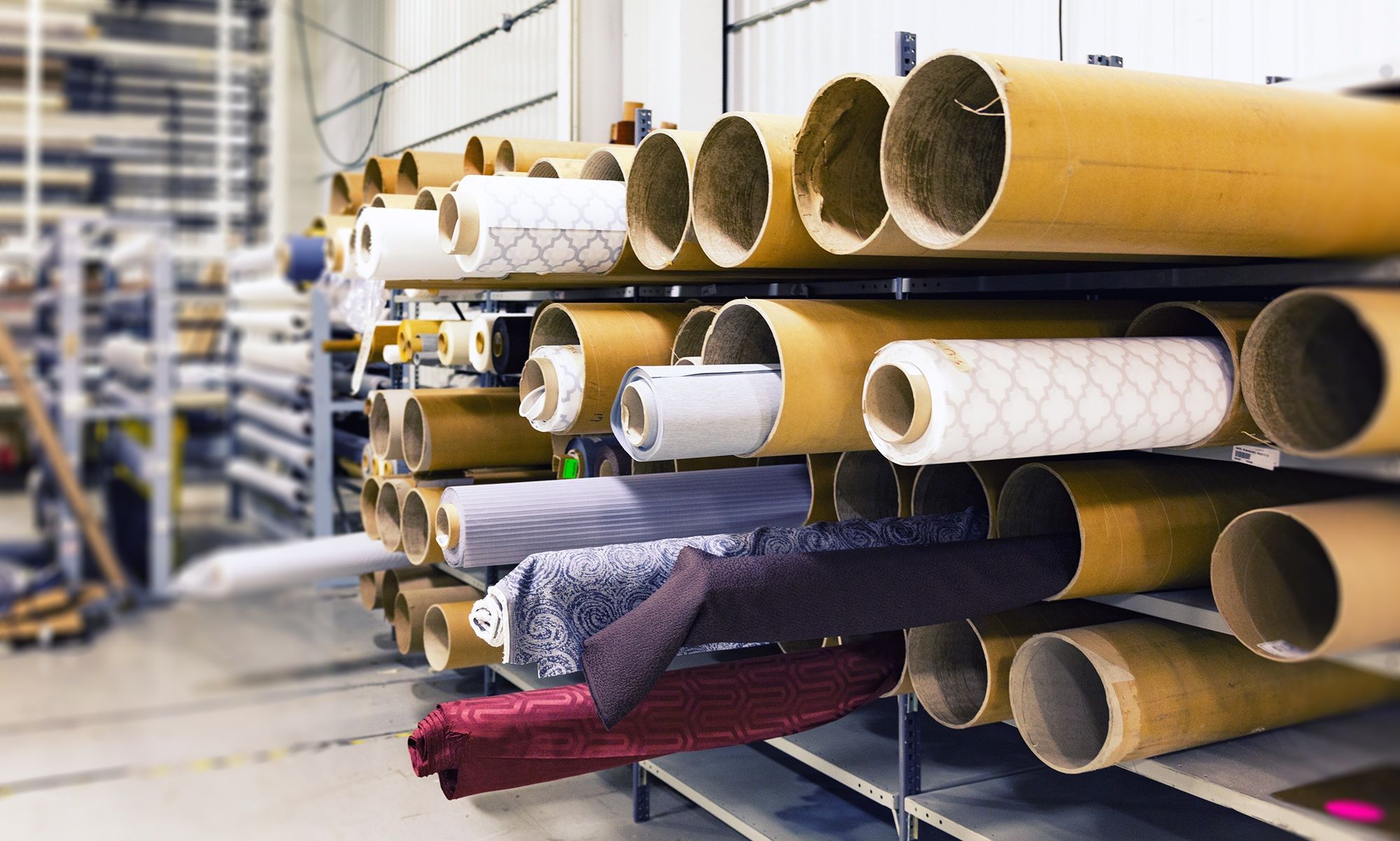
Licensed photograph of textile rolls in an industrial warehouse, representing materials kept in circulation.

Photo: Pixabay / Pexels (CC0).

03Circular business

Europe is asking whether tax rules still reward throwing value away.

The European Commission has opened a consultation on adapting VAT rules to the circular and low-emission economy. The focus is practical rather than abstract: second-hand goods, the destruction of viable products and VAT deductions for business passenger cars. These rules influence whether repair, resale and reuse can compete with the linear default. For retailers, manufacturers and service businesses, the consultation is an early warning that circularity is moving from sustainability reporting into the commercial mechanics of pricing, returns and asset management. The businesses that understand those mechanics first will be better placed when the policy turns into legislation.

4 min read · 10 September 2026Read the original source ↗

ISSUE ARCHIVE

Every edition, kept searchable and source-linked.

Editorial image for this Sustainability Review issue

Photo: Kindel Media / Pexels (free-use licence).

ISSUE 008 · 21 September 2026

The transition is becoming infrastructure, not a side project.

Three current signals connect renewable electricity, cooling systems and climate services: the practical assets that determine whether sustainability can perform under real-world pressure.

Read this edition →
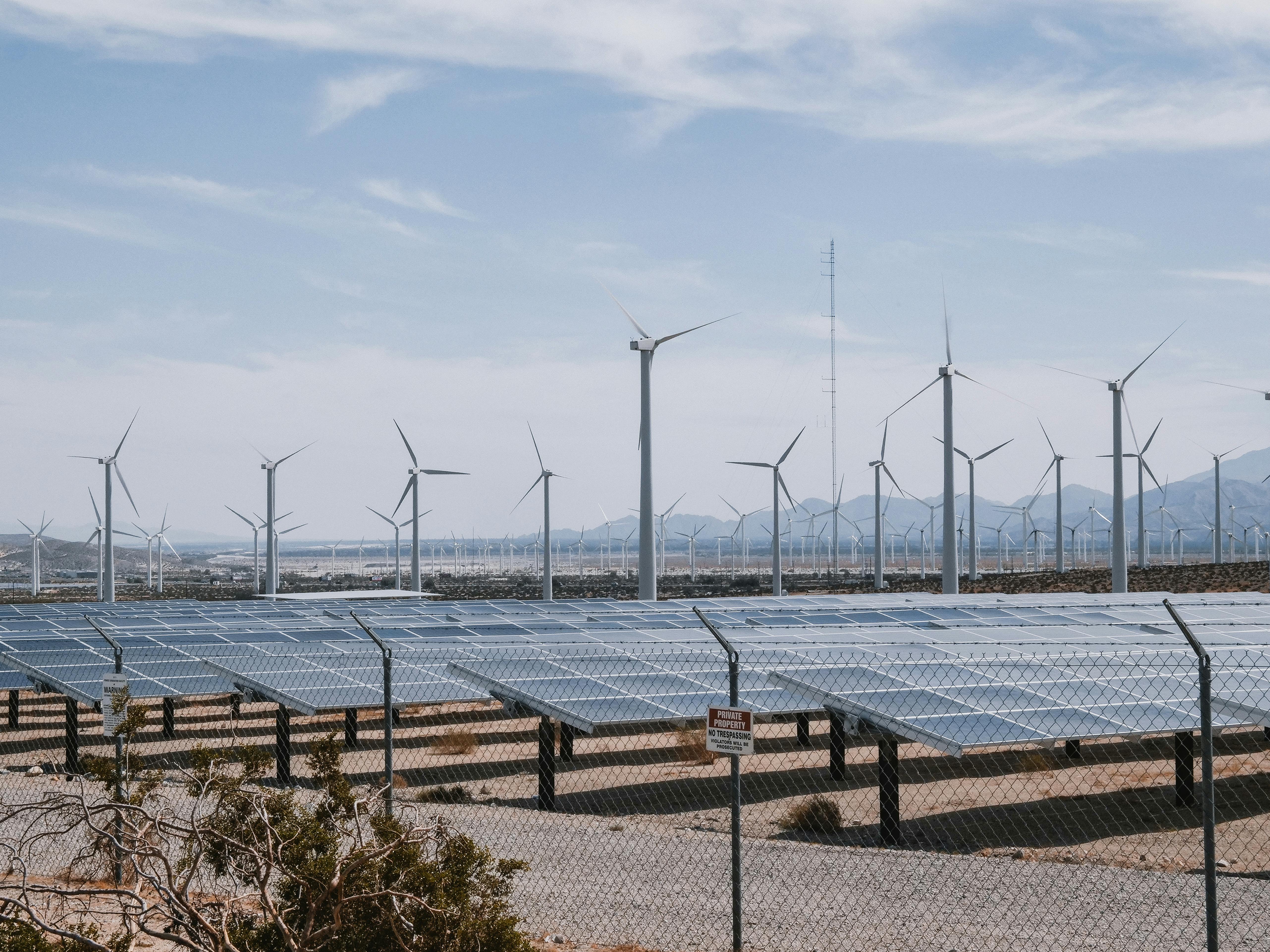
  1. Renewables supplied more than half of EU electricity in the second quarter.Eurostat
  2. Sustainable cooling is moving from climate pledge to operating system.United Nations Environment Programme
  3. Pacific climate resilience is being organised around trusted warning systems.World Meteorological Organization
Editorial image for this Sustainability Review issue

Photo: Frans van Heerden / Pexels (free-use licence).

ISSUE 007 · 18 September 2026

The business of resilience is moving into the supply chain.

Today’s three signals show the transition becoming operational: diversified supply chains, capital for circular systems and a sharper route from agricultural research to market uptake.

Read this edition →
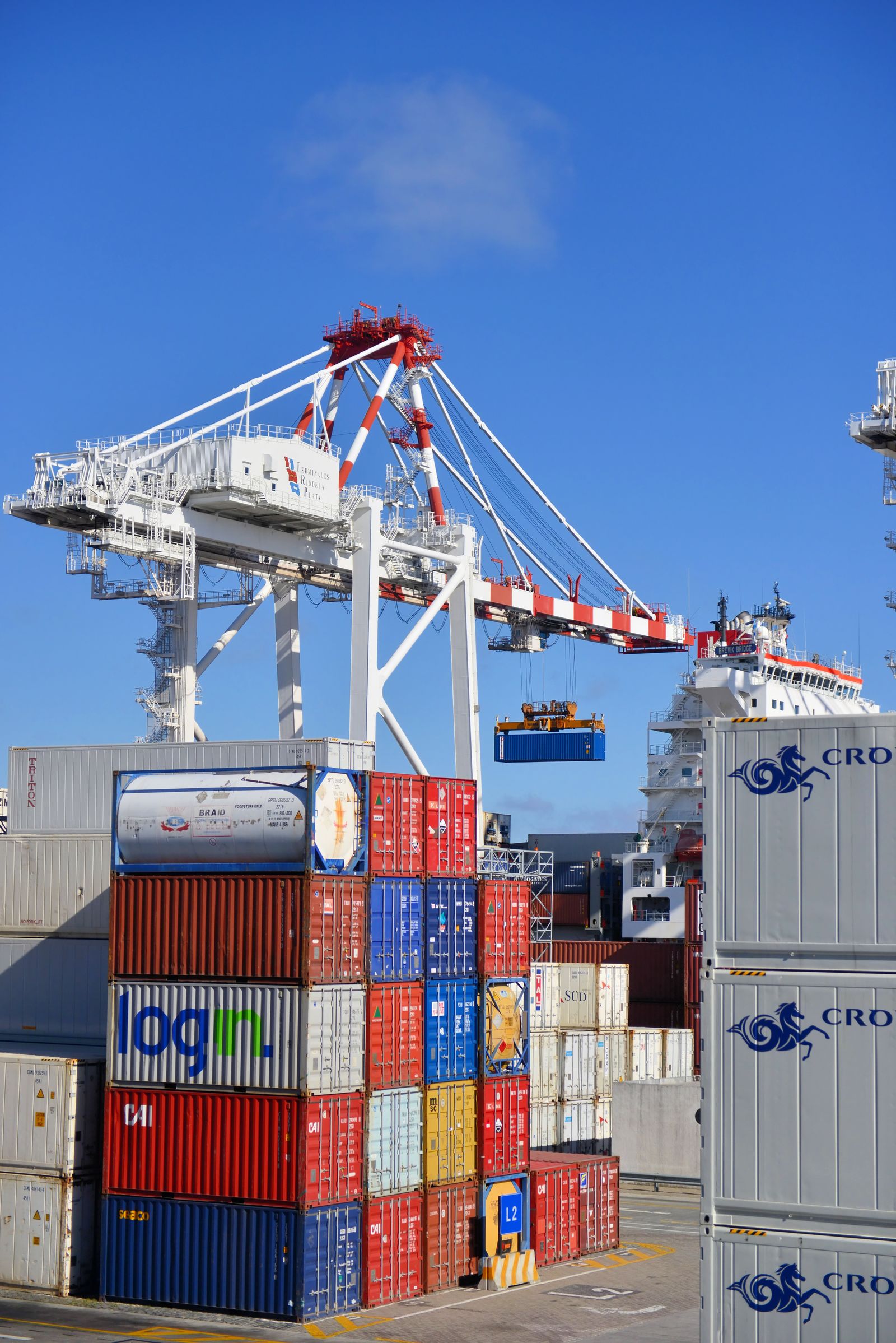
  1. Europe is putting supply-chain resilience on the CEO agenda.European Commission
  2. Circularity is becoming a jobs-and-capital question.United Nations Environment Programme
  3. Farm innovation is being pushed toward market uptake.European Commission
Editorial image for this Sustainability Review issue

Photo: Heru Dharma / Pexels (free-use licence).

ISSUE 006 · 17 September 2026

The circular economy is moving into the operating model.

Today’s three business signals trace the infrastructure beneath circularity: resilient battery supply, material recovery and tax rules that can reward keeping value in use.

Read this edition →
  1. Europe’s battery strategy is becoming a whole-value-chain test.European Commission SETIS
  2. Battery recycling targets are holding — and that changes the investment signal.European Commission
  3. Europe is asking whether tax rules still reward throwing value away.European Commission
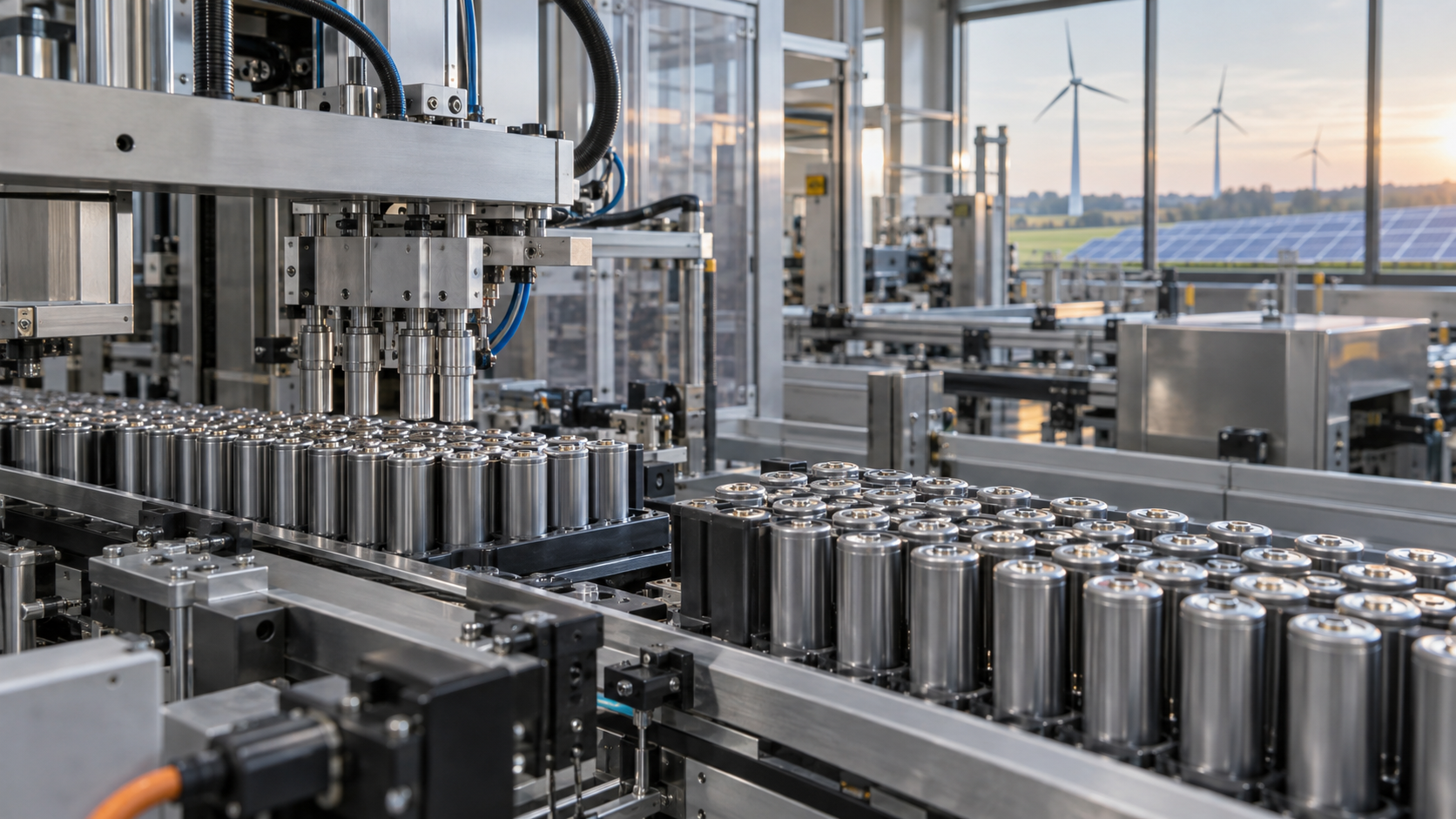
Editorial image for this Sustainability Review issue

Image: VeriCtory AI editorial visualisation (illustrative, not a documentary photograph).

ISSUE 005 · 14 September 2026

The business of sustainability is getting more concrete.

This edition follows the practical mechanisms behind the transition: financing battery production, moving environmental innovation towards market and redesigning resource-intensive supply chains.

Read this edition →
  1. Europe is putting real finance behind battery manufacturing.European Commission
  2. Environmental innovation is being asked to prove its route to market.European Climate, Infrastructure and Environment Executive Agency
  3. Fashion and construction are being treated as one circular-supply-chain problem.United Nations Environment Programme
Editorial image for this Sustainability Review issue

Image: VeriCtory editorial visualisation (AI-generated; illustrative, not a documentary photograph).

ISSUE 004 · 11 September 2026

The resilience forecast just turned urgent.

A stronger El Niño, renewed coal demand and Pacific climate-data infrastructure all point to the same test: whether systems can use advance signals before disruption arrives.

Read this edition →
  1. A stronger El Niño is moving from forecast to a readiness test.World Meteorological Organization
  2. Energy shocks are reviving coal demand.International Energy Agency
  3. In Palau, climate data is becoming local infrastructure.United Nations Environment Programme
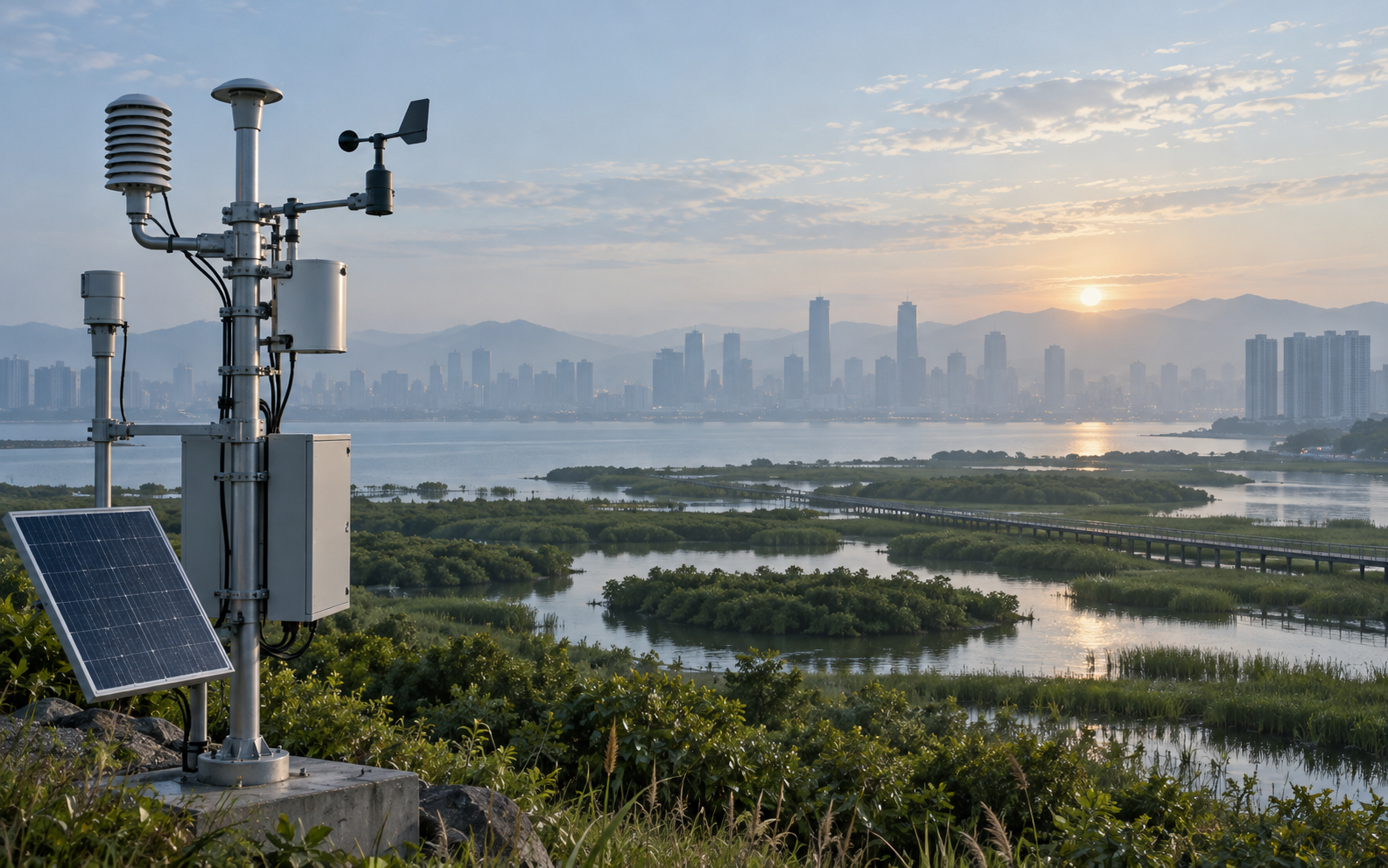
Editorial image for this Sustainability Review issue

Editorial visualisation — AI generated by VeriCtory; illustrative, not a documentary photograph.

ISSUE 003 · 10 September 2026

The resilience test is moving upstream.

Today’s three signals connect the air we breathe, the security built into energy systems and the cooling choices that will shape a hotter world.

Read this edition →
  1. Clean air can no longer be planned separately from climate risk.World Meteorological Organization
  2. Energy security is becoming a flexibility question.International Energy Agency
  3. A cooler planet depends on how the world cools.United Nations Environment Programme

THE DAILY REVIEW

Read the world’s sustainability signals without losing the source trail.

Subscribe to future editions →