VeriCtoryGLOBAL SUSTAINABILITY REGISTRYSubmit a record

VERICTORY PRESENTS

The Sustainability Review

Daily, source-linked reporting on the developments shaping a sustainable world.

ISSUE 005 · 14 September 2026

The business of sustainability is getting more concrete.

This edition follows the practical mechanisms behind the transition: financing battery production, moving environmental innovation towards market and redesigning resource-intensive supply chains.

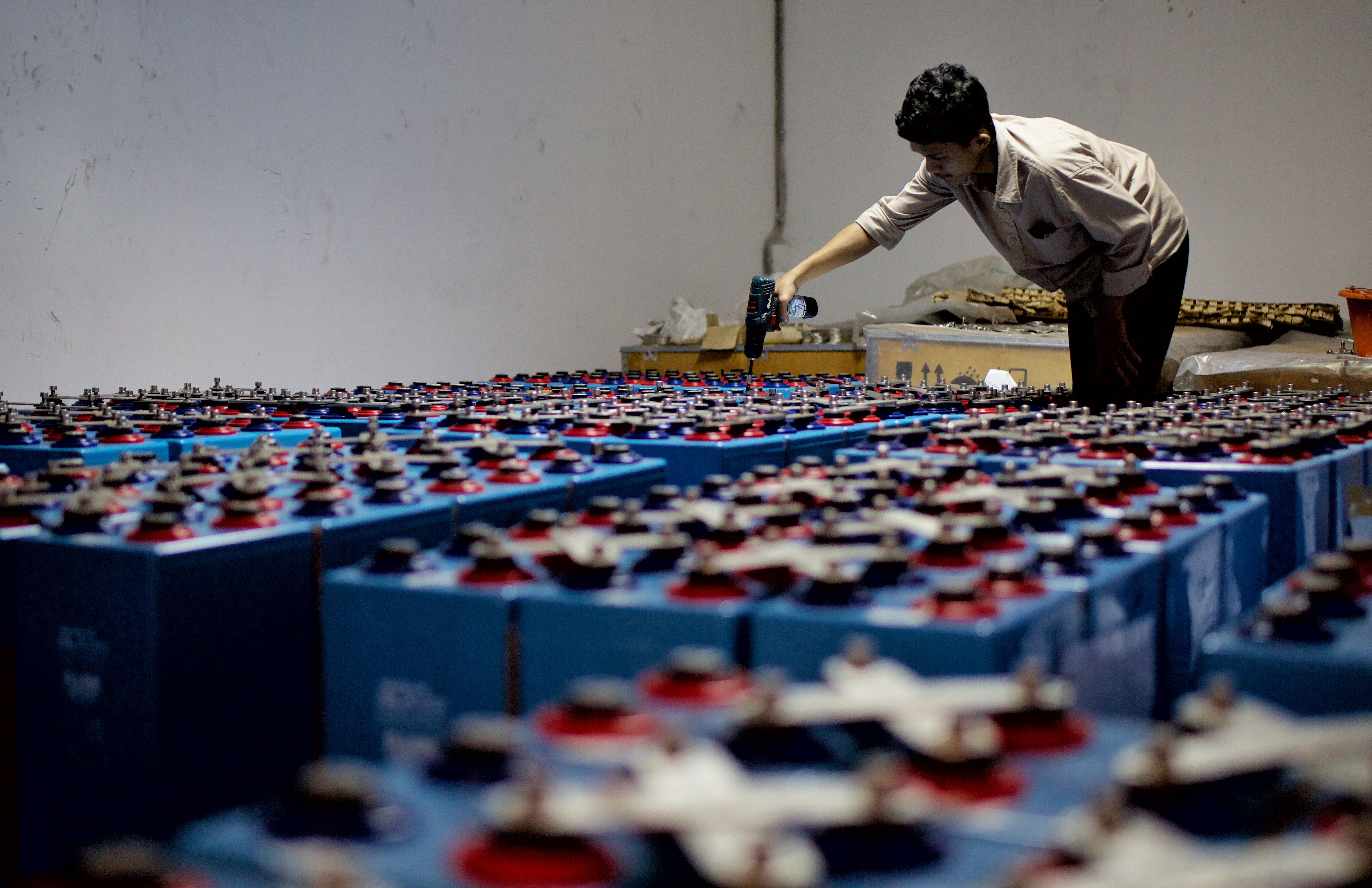
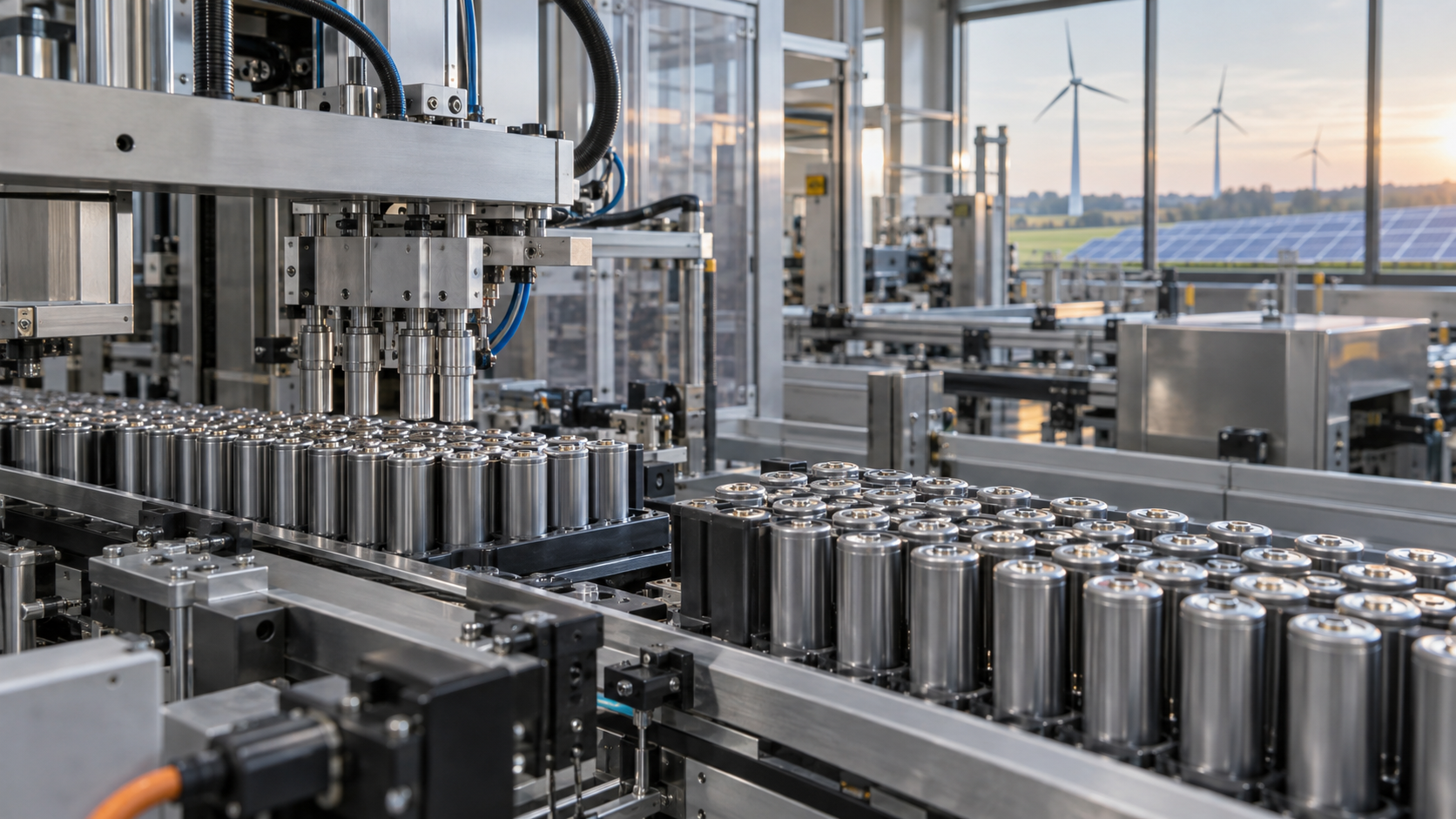
Photorealistic editorial visualisation of battery-cell manufacturing, clean power and European industrial finance; illustrative, not a documentary photograph.

Image: VeriCtory AI editorial visualisation (illustrative, not a documentary photograph).

01Clean industry

Europe is putting real finance behind battery manufacturing.

The European Commission’s Battery Booster Facility is offering up to €1.5 billion in interest-free loans to help European battery-cell producers through the difficult ramp-up phase. The updated application model gives manufacturers a sharper near-term signal: industrial decarbonisation is no longer only a technology race; it is a scale-up and financing challenge. For suppliers, buyers and investors, the test is whether resilient battery capacity can move from strategic ambition to bankable production without compromising environmental performance.
5 min read · 10 September 2026 · European CommissionRead the original source ↗
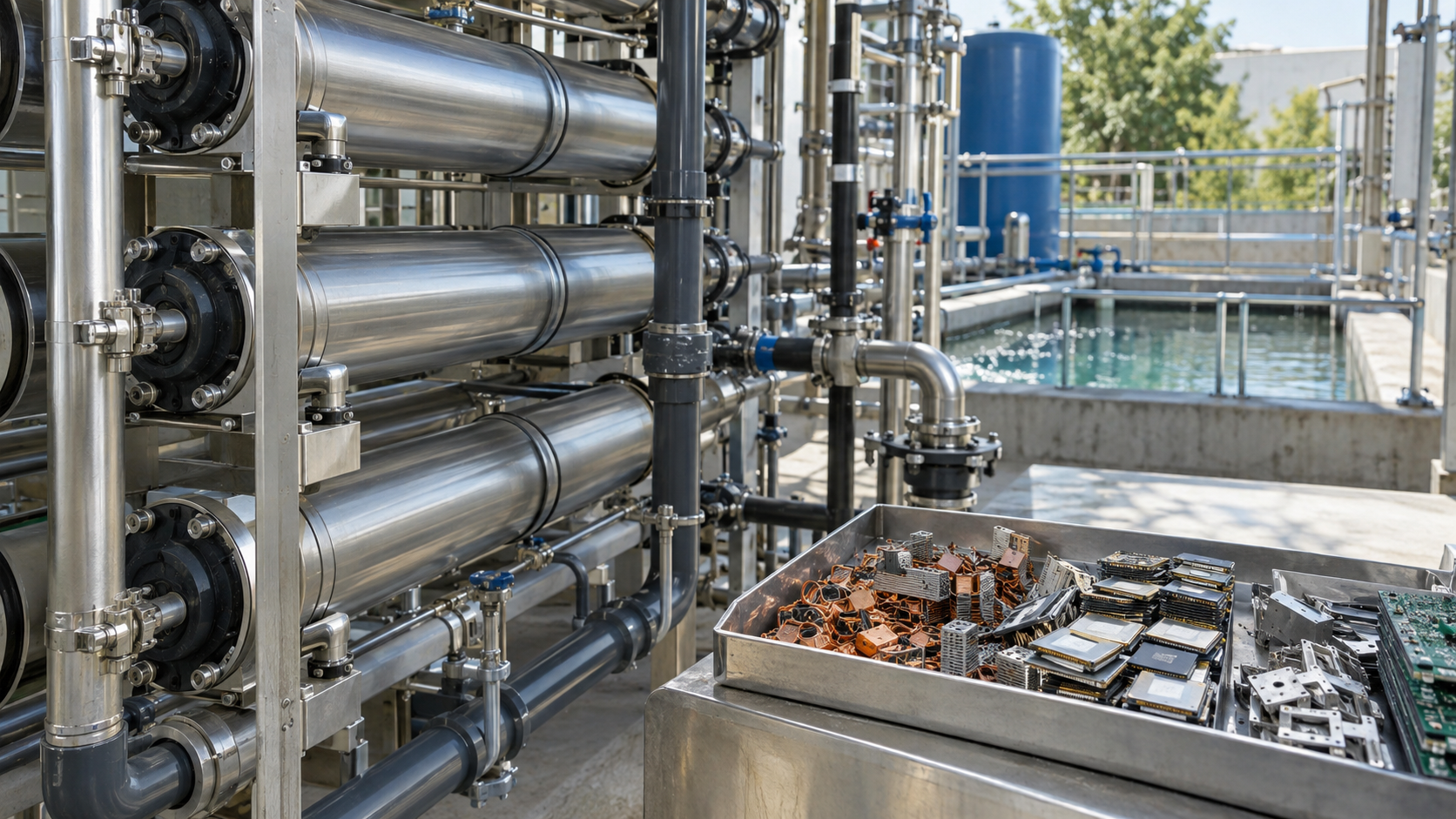
Photorealistic editorial visualisation of recovered materials, water-reuse technology and circular product innovation; illustrative, not a documentary photograph.

Image: VeriCtory AI editorial visualisation (illustrative, not a documentary photograph).

02Circular innovation

Environmental innovation is being asked to prove its route to market.

The European Commission’s Innovation Radar now features 295 innovations from LIFE-funded projects; 113 are classified as market-ready and another 81 are developing concrete plans to reach the market. The examples are deliberately practical — from recovering components in discarded appliances to water-reuse and bio-based materials. The important signal for business is that sustainability solutions need more than a successful pilot: they need a credible customer, manufacturing and finance pathway. Visibility to investors and partners is becoming part of the infrastructure that lets useful environmental innovation scale.

5 min read · 03 September 2026Read the original source ↗
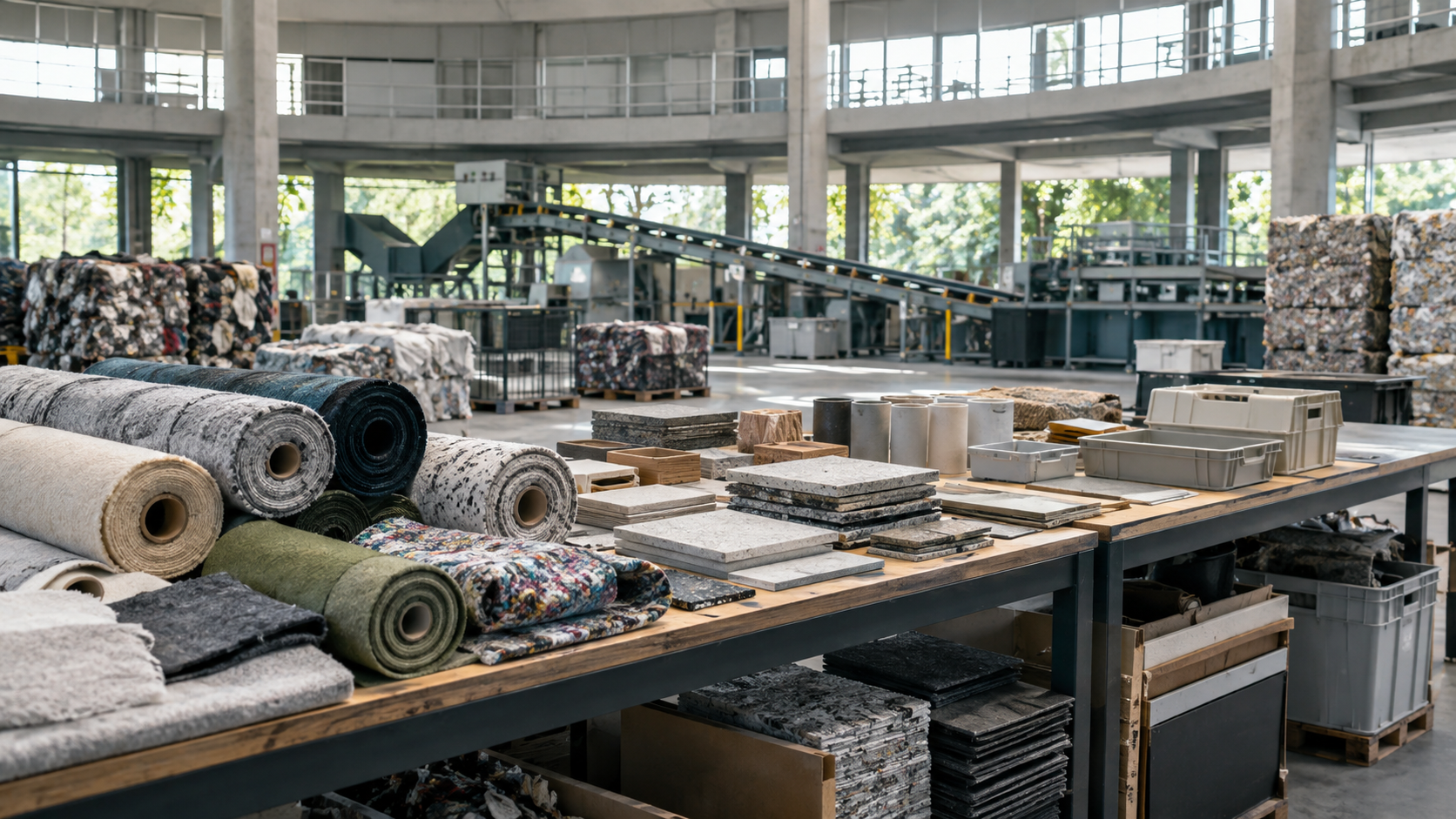
Photorealistic editorial visualisation of circular textile and construction-material supply chains; illustrative, not a documentary photograph.

Image: VeriCtory AI editorial visualisation (illustrative, not a documentary photograph).

03Supply chains

Fashion and construction are being treated as one circular-supply-chain problem.

A UNEP, UNDP and UNIDO accelerator session at the World Circular Economy Forum will bring fashion and construction into the same working conversation — two material-, water- and chemical-intensive value chains that are usually tackled separately. The focus is usefully commercial: material innovation, product design, safer chemistry and circular business models must work together if pilots are to become competitive supply chains. For companies, the opportunity is not a generic recycling claim; it is designing purchasing, production and recovery systems that retain material value and reduce exposure to resource risk.

5 min read · 14 September 2026Read the original source ↗

ISSUE ARCHIVE

Every edition, kept searchable and source-linked.

Editorial image for this Sustainability Review issue

Photo: Kindel Media / Pexels (free-use licence).

ISSUE 008 · 21 September 2026

The transition is becoming infrastructure, not a side project.

Three current signals connect renewable electricity, cooling systems and climate services: the practical assets that determine whether sustainability can perform under real-world pressure.

Read this edition →
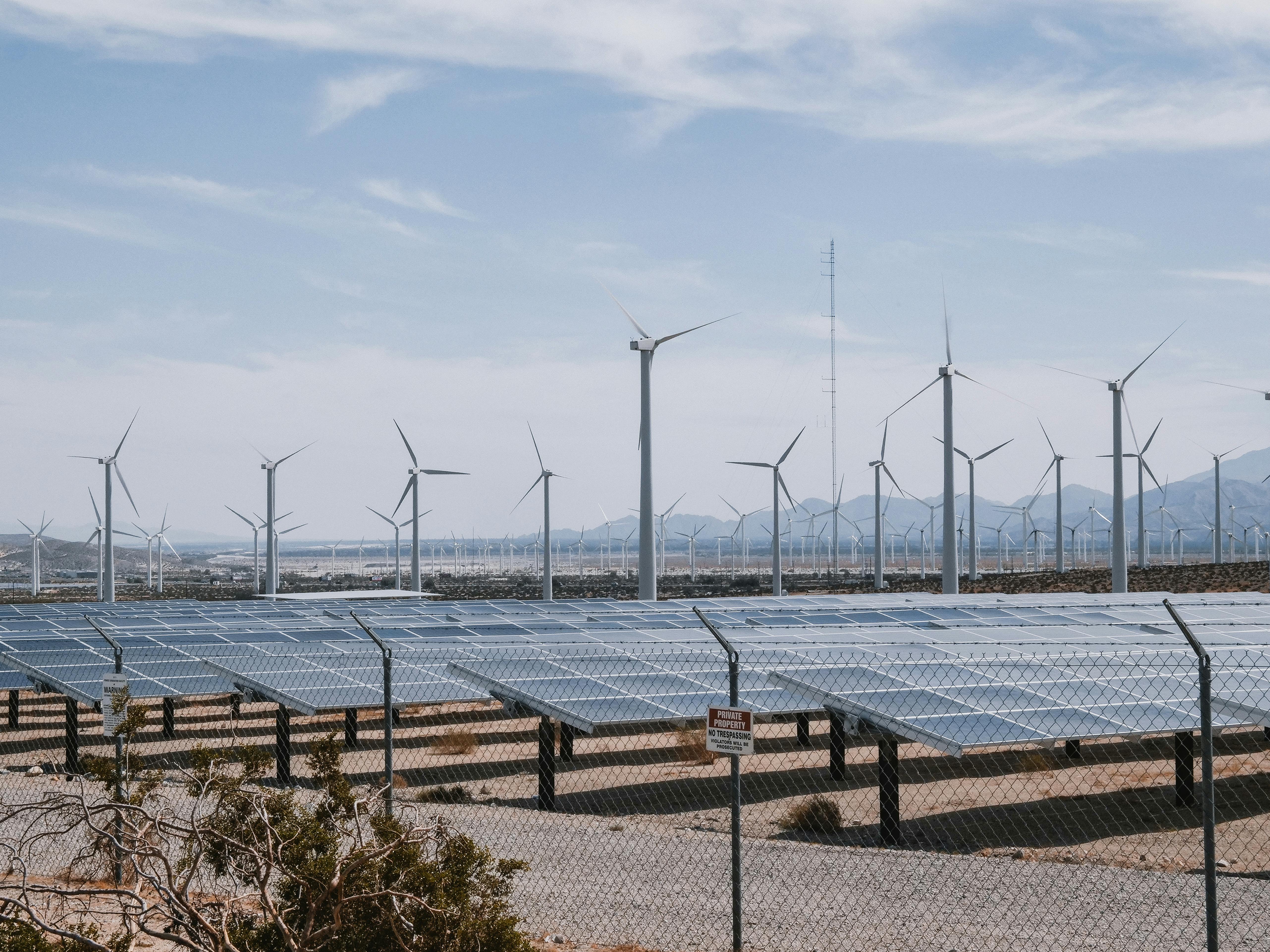
  1. Renewables supplied more than half of EU electricity in the second quarter.Eurostat
  2. Sustainable cooling is moving from climate pledge to operating system.United Nations Environment Programme
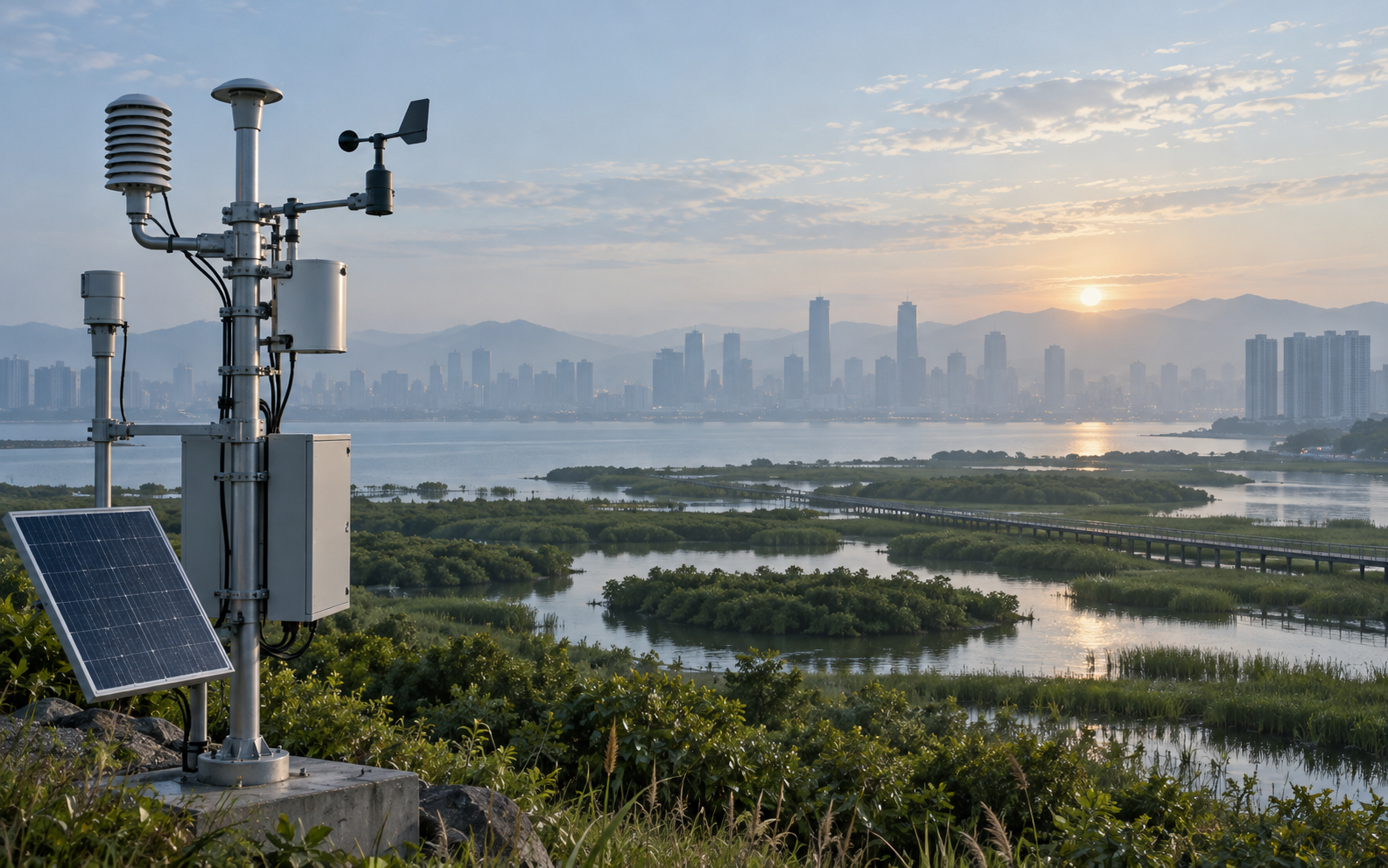
  3. Pacific climate resilience is being organised around trusted warning systems.World Meteorological Organization
Editorial image for this Sustainability Review issue

Photo: Frans van Heerden / Pexels (free-use licence).

ISSUE 007 · 18 September 2026

The business of resilience is moving into the supply chain.

Today’s three signals show the transition becoming operational: diversified supply chains, capital for circular systems and a sharper route from agricultural research to market uptake.

Read this edition →
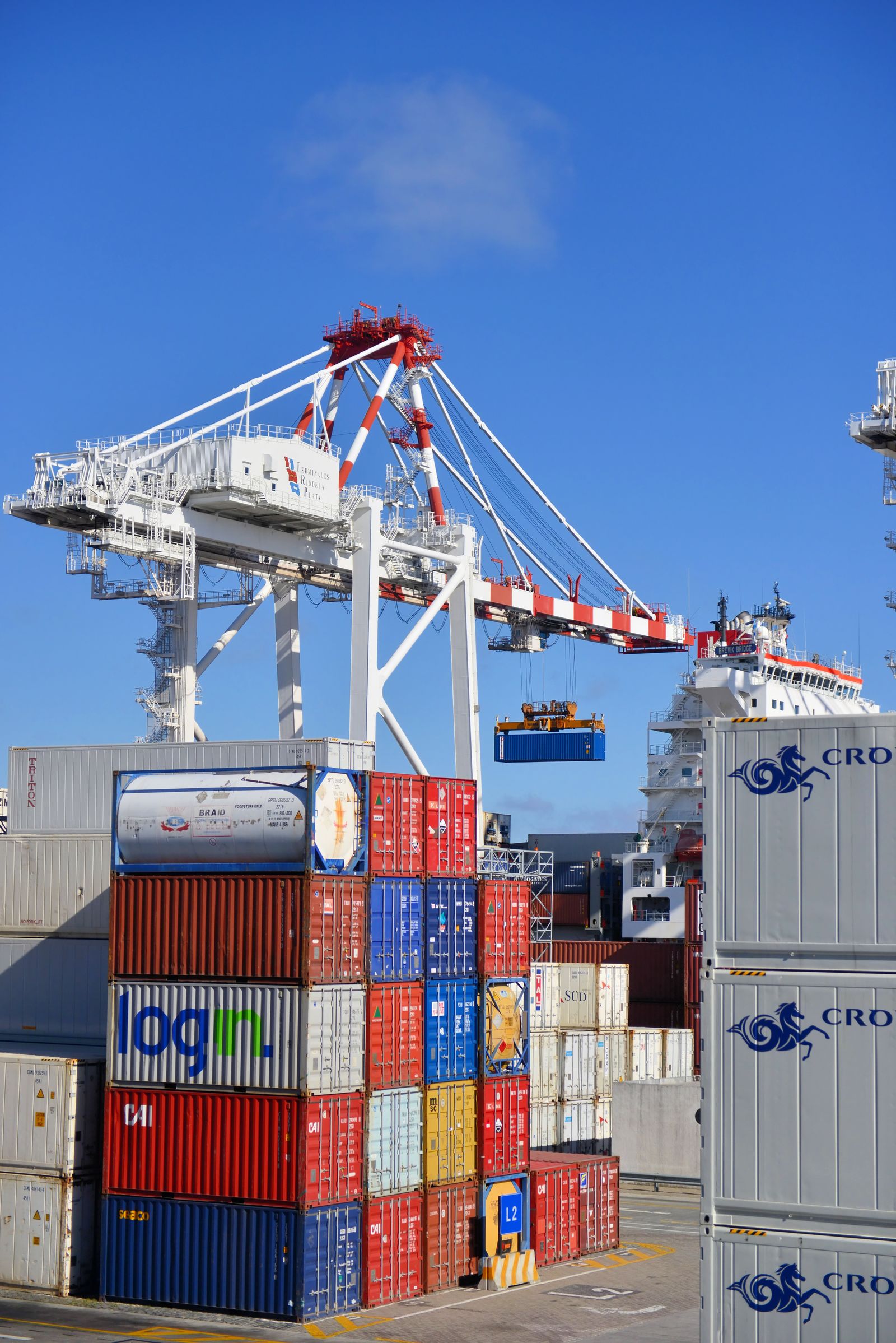
  1. Europe is putting supply-chain resilience on the CEO agenda.European Commission
  2. Circularity is becoming a jobs-and-capital question.United Nations Environment Programme
  3. Farm innovation is being pushed toward market uptake.European Commission
Editorial image for this Sustainability Review issue

Photo: Heru Dharma / Pexels (free-use licence).

ISSUE 006 · 17 September 2026

The circular economy is moving into the operating model.

Today’s three business signals trace the infrastructure beneath circularity: resilient battery supply, material recovery and tax rules that can reward keeping value in use.

Read this edition →
  1. Europe’s battery strategy is becoming a whole-value-chain test.European Commission SETIS
  2. Battery recycling targets are holding — and that changes the investment signal.European Commission
  3. Europe is asking whether tax rules still reward throwing value away.European Commission
Editorial image for this Sustainability Review issue

Image: VeriCtory AI editorial visualisation (illustrative, not a documentary photograph).

ISSUE 005 · 14 September 2026

The business of sustainability is getting more concrete.

This edition follows the practical mechanisms behind the transition: financing battery production, moving environmental innovation towards market and redesigning resource-intensive supply chains.

Read this edition →
  1. Europe is putting real finance behind battery manufacturing.European Commission
  2. Environmental innovation is being asked to prove its route to market.European Climate, Infrastructure and Environment Executive Agency
  3. Fashion and construction are being treated as one circular-supply-chain problem.United Nations Environment Programme
Editorial image for this Sustainability Review issue

Image: VeriCtory editorial visualisation (AI-generated; illustrative, not a documentary photograph).

ISSUE 004 · 11 September 2026

The resilience forecast just turned urgent.

A stronger El Niño, renewed coal demand and Pacific climate-data infrastructure all point to the same test: whether systems can use advance signals before disruption arrives.

Read this edition →
  1. A stronger El Niño is moving from forecast to a readiness test.World Meteorological Organization
  2. Energy shocks are reviving coal demand.International Energy Agency
  3. In Palau, climate data is becoming local infrastructure.United Nations Environment Programme
Editorial image for this Sustainability Review issue

Editorial visualisation — AI generated by VeriCtory; illustrative, not a documentary photograph.

ISSUE 003 · 10 September 2026

The resilience test is moving upstream.

Today’s three signals connect the air we breathe, the security built into energy systems and the cooling choices that will shape a hotter world.

Read this edition →
  1. Clean air can no longer be planned separately from climate risk.World Meteorological Organization
  2. Energy security is becoming a flexibility question.International Energy Agency
  3. A cooler planet depends on how the world cools.United Nations Environment Programme

THE DAILY REVIEW

Read the world’s sustainability signals without losing the source trail.

Subscribe to future editions →